
Last updated September 24, 2026
Free in-home measure and quote - PGT, CGI and CWS impact lines compared on your actual openings, style by style
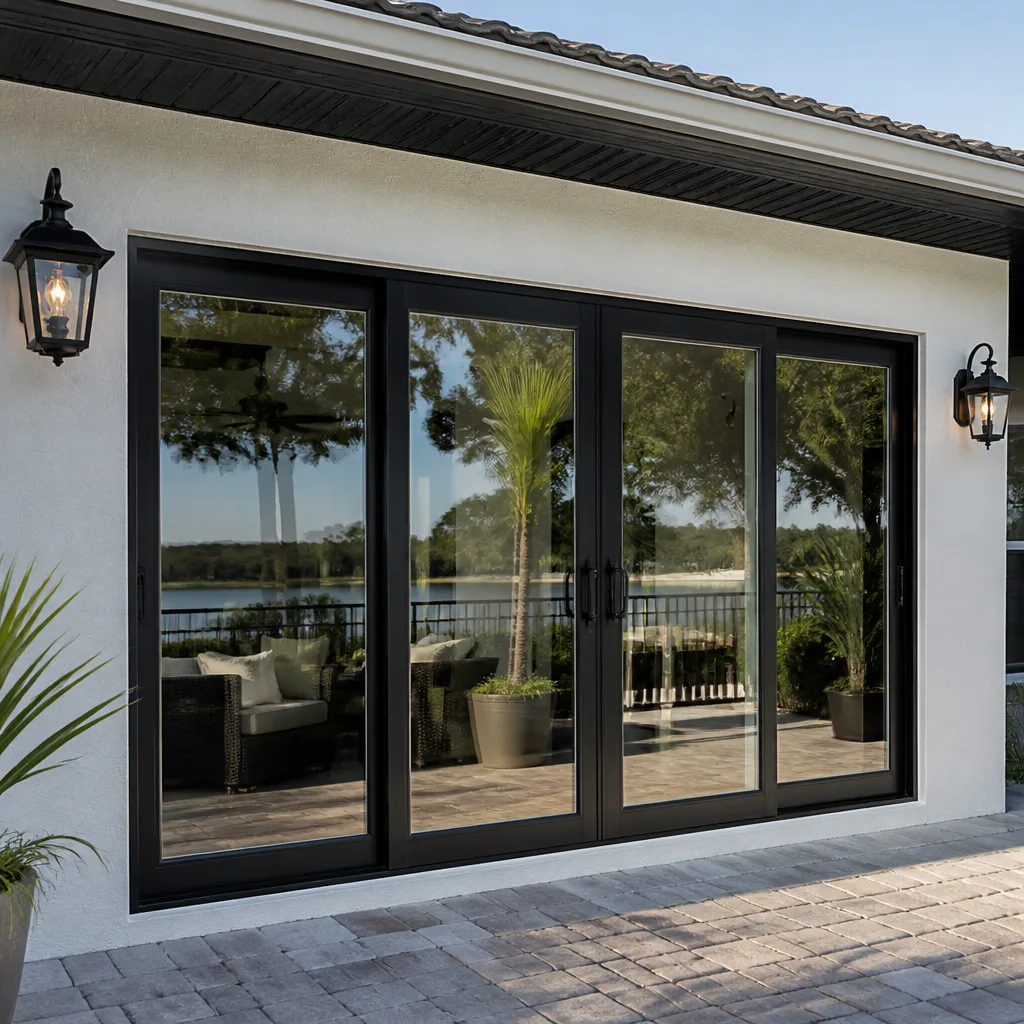
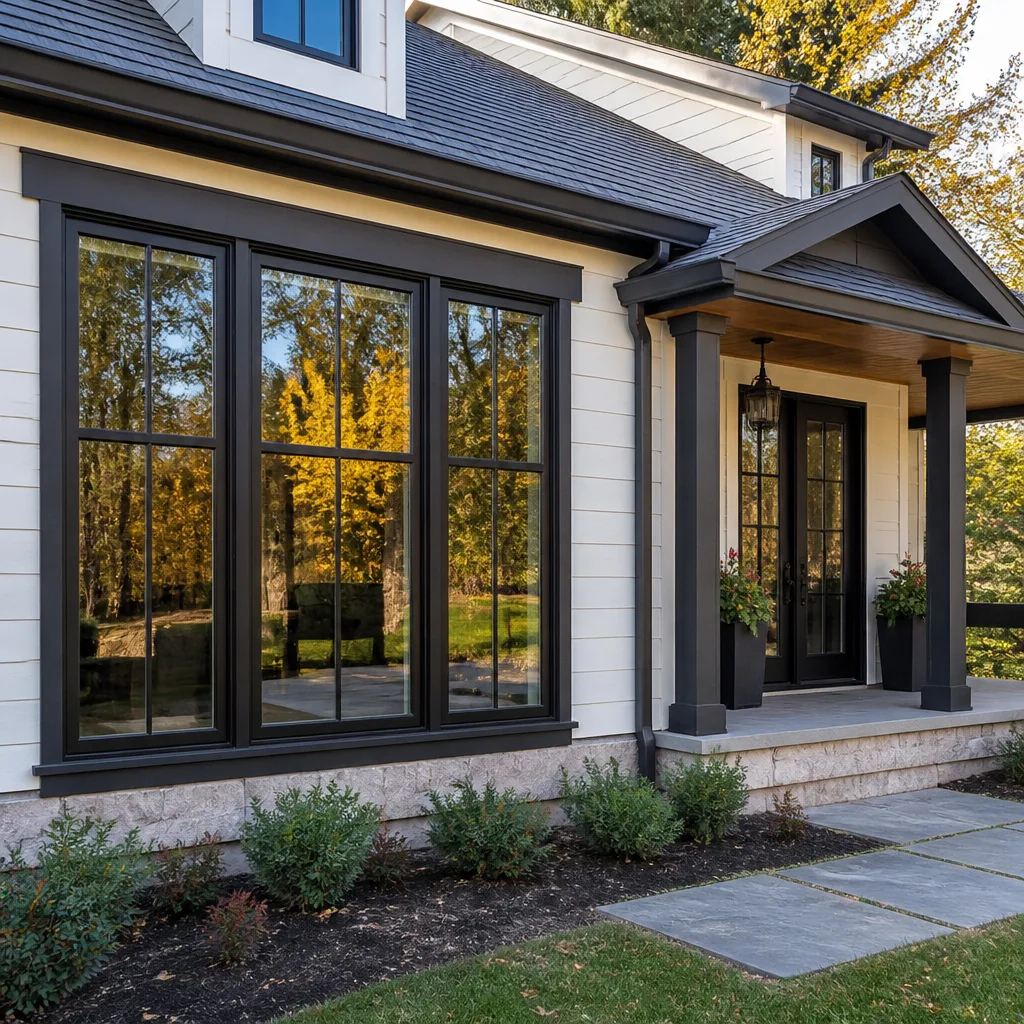
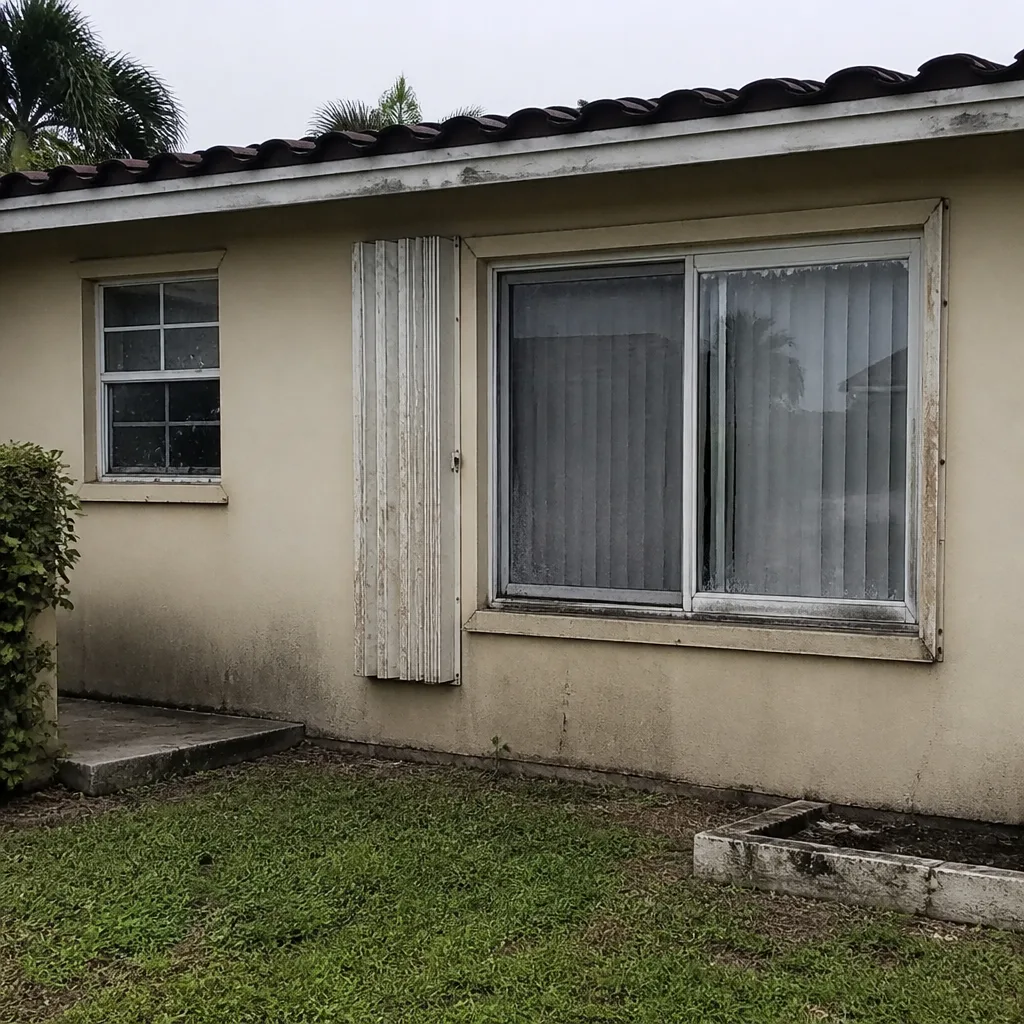 Before
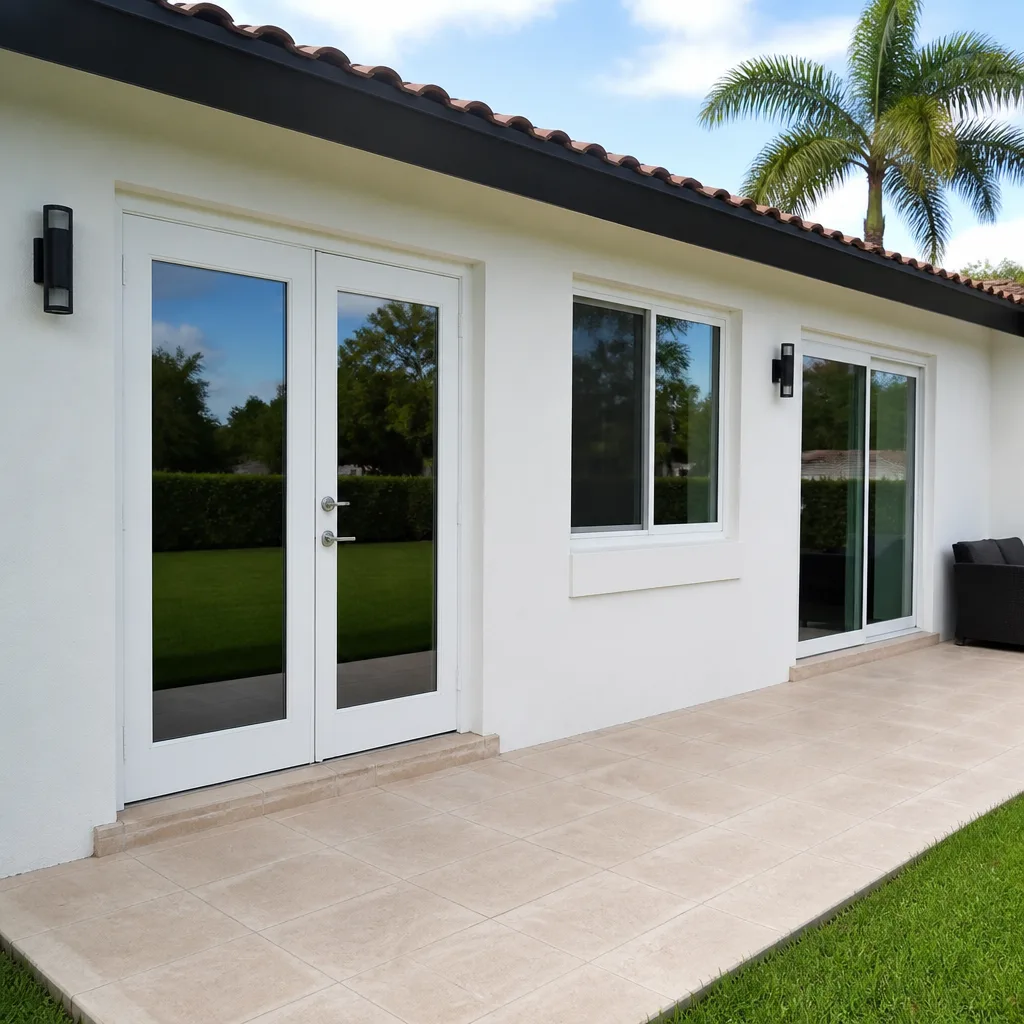 After
After Before
 After
After Before
 After
AfterWindow Installation Maintenance Checklist for Miami Gardens Homeowners
Florida’s implied warranty of habitability gives homeowners four years to pursue latent construction defects - but most installation problems in windows and doors don’t show visible symptoms until year two or three, leaving a narrow window to act on documented evidence. In Miami Gardens, where the salt air from Biscayne Bay meets HVHZ wind-load requirements and summer UV index readings regularly exceed 11, that timeline compresses further. This guide works backward from the 12 most common installation defects we’ve documented across Miami-Dade County to give you a room-by-room audit method, with more guides & resources available for ongoing maintenance. You’ll learn how to read your inspection report, test your sealants seasonally, and build a photo record that holds up if a warranty dispute arises.
Quick Answer
A proper window installation maintenance checklist for Miami Gardens homeowners includes quarterly sealant inspections, annual corrosion checks on aluminum frames, verification of Miami-Dade inspection sign-offs, and systematic photo documentation of any changes. The critical window is years two through four, when latent install defects typically surface but before Florida’s statutory warranty period expires.
Table of Contents

- Why Installation Defects Matter More Than Product Age
- How to Read Your Miami-Dade Inspection Report
- Room-by-Room Inspection Sequence
- Corrosion Check Protocol for Salt-Air Environments
- Sealant Inspection Calendar and the 3-Point Test
- Building a Dispute-Ready Photo Record
- What Your Manufacturer Warranty Actually Covers
- Common Mistakes to Avoid
- When to Call a Professional
- Frequently Asked Questions
- The Bottom Line
 Before
 After
AfterWhy Installation Defects Matter More Than Product Age
We’ve completed over 18,000 installations since 2012, and the pattern is consistent: when a window fails in Miami Gardens, the cause is installation error roughly 60% of the time. Product defect accounts for less than 20%. The remainder splits between maintenance neglect and damage from weather events.
The disconnect is structural. Homeowners assume a window’s lifespan is determined by the glass unit, the frame material, or the brand name on the sticker. Those matter. But in Miami-Dade’s High Velocity Hurricane Zone, the installation details - frame anchoring intervals, sealant bead continuity, flashing overlap dimensions - are what separate a window that performs through a Category 3 event from one that leaks at 45 mph sustained winds.
Here are the 12 installation defects we most commonly find during second-opinion inspections in Miami Gardens and surrounding Miami-Dade communities:
- Anchor bolts spaced beyond 24 inches on center (HVHZ requires 12-16 inches depending on frame material)
- Sealant applied over dirty or damp substrates, causing adhesion failure within 18 months
- Missing or incomplete head flashing with less than 4-inch overlap onto building paper
- Shims left in place that create thermal bridges and condensation paths
- Expansion gaps filled with rigid foam instead of backer rod and sealant
- Impact-rated windows installed without the labeled fastening pattern
- Sill pan sloped toward the interior or dead-level
- Missing weep hole covers or weep paths blocked with sealant
- Glass-to-frame clearances below manufacturer minimum (causes stress cracks)
- Interior sealant omitted entirely - common on “exterior-only” replacement jobs
- Product label removed or painted over, voiding warranty traceability
- No documented photo record of rough-in condition before trim installation
Most of these defects don’t leak immediately. The sealant holds through the first summer. The anchor spacing doesn’t matter until a pressure differential event. By year three, the homeowner has lost track of which contractor performed the work, the original company may have restructured, and the four-year statutory window is narrowing.
This is why we built the Haven Standard with Evidence on Every Job as Clause 4. The photo record isn’t for marketing. It’s for year three, when you need to prove what was behind that wall.
How to Read Your Miami-Dade Inspection Report
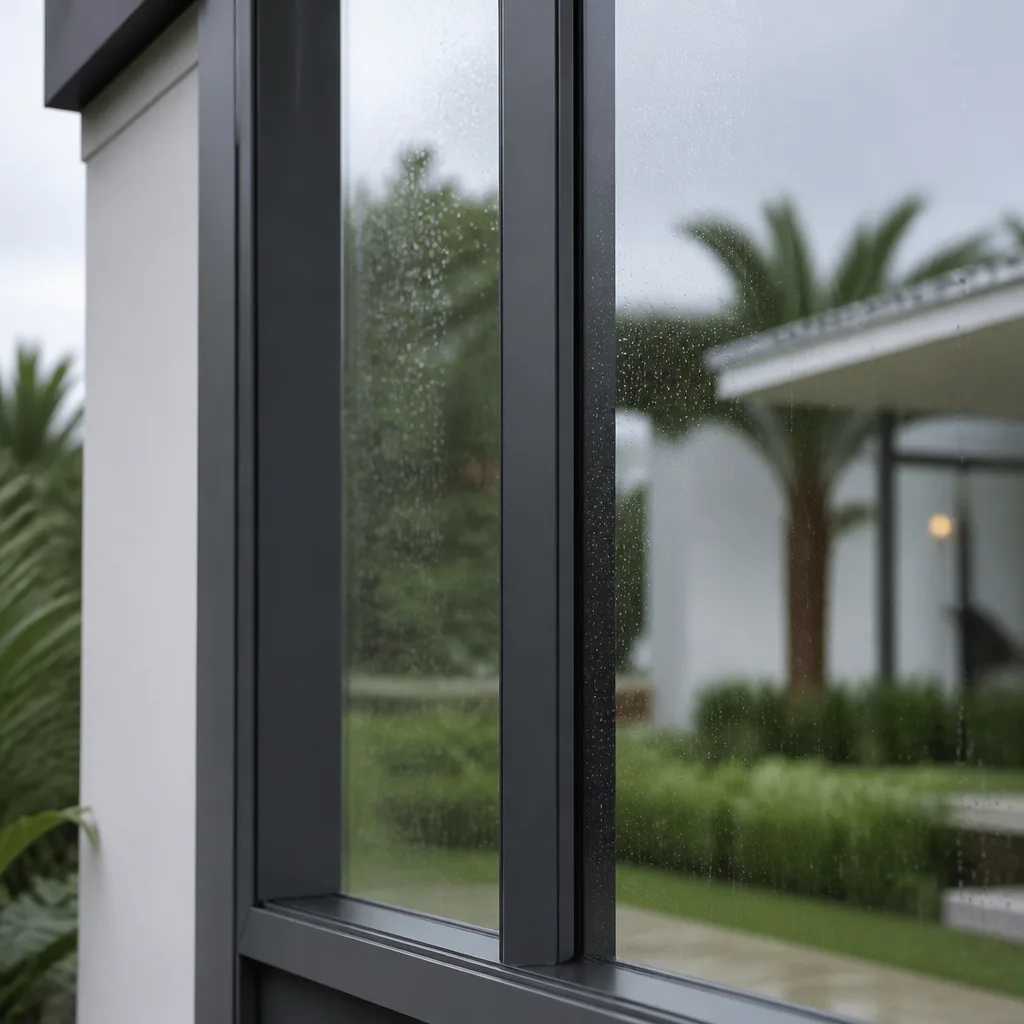
Every window and door installation in Miami-Dade County requires two inspections: rough-in and final. The rough-in occurs before interior trim or exterior cladding covers the frame. The final occurs after completion. Both must be signed off by a Miami-Dade building inspector, not merely submitted by the contractor.
Homeowners rarely request their own copy. They should.
Here’s how to verify your installation was actually inspected, not just permitted:
- Locate your permit number. It should be on a sticker near the electrical panel or in closing documents. If you don’t have it, search the Sightline Windows & Doors Miami Gardens home resources or contact Miami-Dade’s Building Code Compliance Office with your address.
- Request the inspection history. Miami-Dade’s online portal shows each inspection attempt with status: Pass, Fail, or Re-inspect. A “Pass” with no prior failures is ideal. A “Fail” followed by quick re-pass is normal. Multiple failures suggest workmanship issues.
- Check the inspection type codes. For window replacement, you want to see “1010 Rough” and “1020 Final” or equivalent. Additions may show “3000 Framing” instead. Missing rough-in inspection on a full-frame replacement is a red flag - someone covered the work before inspection.
- Verify the inspector’s signature and date. Electronic signatures are valid, but the date should align with your project timeline. An inspection dated before your contract start date suggests paperwork was backdated.
- Cross-reference to your contract scope. The permit should match the address, the contractor name, and the product description. We’ve seen permits pulled under one company name with work subcontracted to unlicensed crews - the Haven Standard’s Verified Crews clause exists because of this practice.
What the report won’t tell you: whether the inspector actually checked anchor spacing, or just verified the product label. That’s where your own documentation becomes essential.
In Miami Gardens specifically, inspectors cover a high volume of permits. The average inspection window is 15-20 minutes for a multi-window job. A competent inspector verifies label compliance and obvious flashing errors. They don’t pull trim to check shim placement. The most common installation defects are literally invisible to code enforcement.
Room-by-Room Inspection Sequence
This sequence prioritizes the failure points HVHZ-rated installations are required to address. Perform it annually, ideally in October before the winter dry season when thermal cycling is most pronounced in Miami Gardens.
Exterior Walk-Around (All Elevations)
Start with the side facing prevailing winds - typically east or southeast in Miami Gardens, with Biscayne Bay influence. Work systematically:
- Check frame-to-wall sealant continuity at every corner and mullion joint. Gaps wider than 1/16 inch admit wind-driven rain.
- Verify weep holes are open and covered with manufacturer-specified screens or baffles. Missing covers invite insect nesting and water intrusion.
- Inspect sill pan drainage: water should run outward, not pool or reverse toward the interior.
- Look for sealant discoloration, chalking, or cracking. Miami Gardens UV exposure degrades neutral-cure silicones faster than acetoxy-cure products; know which was specified.
Living Areas and Bedrooms
These rooms typically have the highest window count and the most exposure to daily use:
- Operate each sash or panel fully. Binding at the top suggests frame racking from inadequate anchoring.
- Check interior trim for paint cracks or caulk separation - often the first visible sign of frame movement.
- Hold a lit candle or smoke pencil near the frame perimeter on a windy day. Flame deflection indicates air infiltration, usually from missing or failed interior sealant.
- Inspect glazing stops for uniform pressure. Uneven gaps suggest glass-to-frame clearance issues that stress the unit.
Kitchens and Bathrooms
High humidity rooms accelerate corrosion and test vapor barrier integrity:
- Check aluminum frame corners for white oxidation bloom - earliest indicator of salt-air corrosion.
- Verify exhaust fans actually depressurize these rooms; positive pressure forces moist air into wall cavities.
- Look for condensation patterns on glass that don’t match outdoor dew point - indicates failed edge seal in the insulating glass unit.
Garage and Utility Spaces
Often neglected, these openings face unique loads:
- Impact-rated garage doors and service windows see the highest cycle counts. Check hardware torque and panel alignment.
- Verify fire-rated separation details if the garage shares a wall with living space - common in Miami Gardens ranch and split-level plans from the 1960s-1980s.
Corrosion Check Protocol for Salt-Air Environments
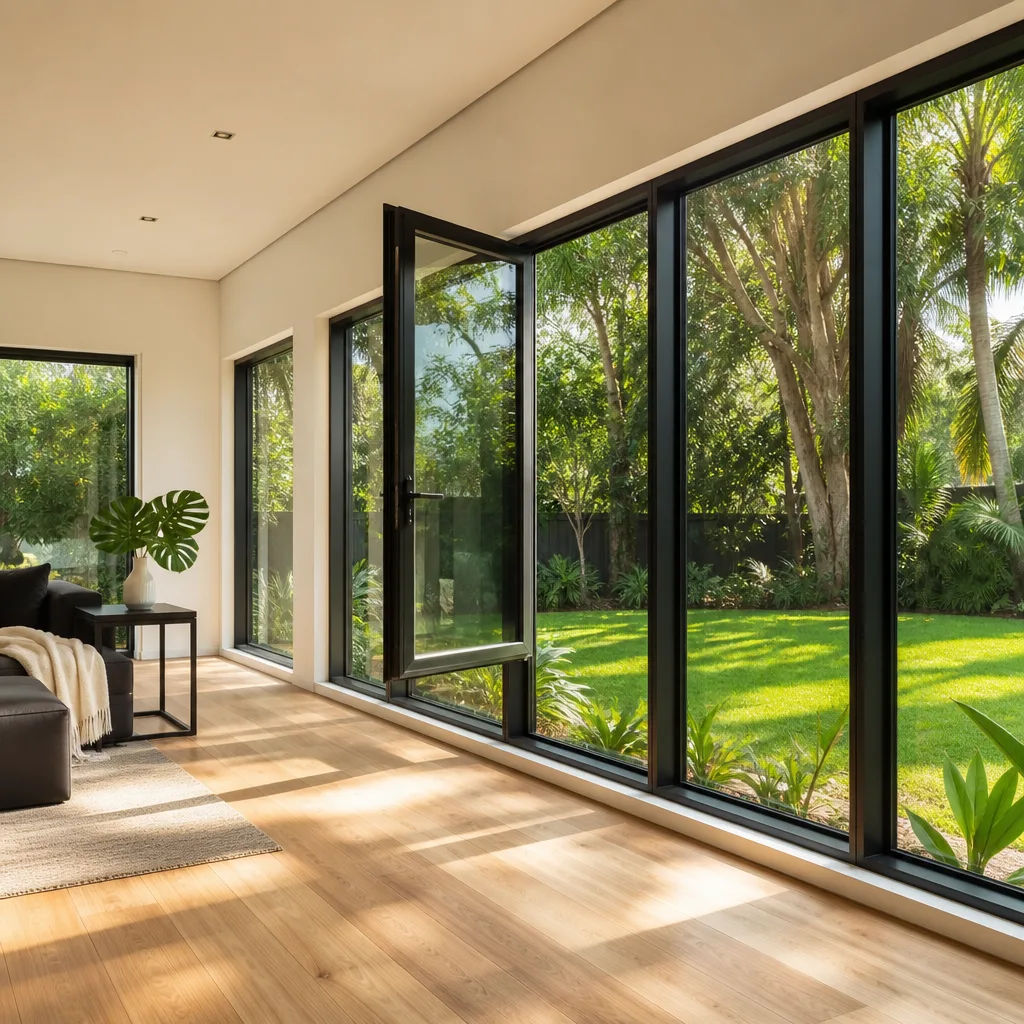
Miami Gardens sits approximately 8 miles inland from Biscayne Bay, but salt aerosol travels further than most homeowners assume. During onshore flow events, chloride deposition rates at our latitude can match coastal zones within 10 miles of the water. For aluminum-framed windows - the dominant material in Miami-Dade residential construction - this creates a predictable corrosion timeline.
Here’s what to look for, and when:
12 Months: Surface Oxidation
Fine white or gray powder on frame surfaces, especially horizontal members and lower rails. This is aluminum oxide, a protective layer that forms naturally. It wipes clean with a damp cloth and doesn’t indicate failure. Do not abrasive-clean it; you’ll remove the protective layer and accelerate attack.
24-30 Months: Pitting Initiation
Small dark spots that don’t wipe clean, typically at fastener locations, corner joints, and where dissimilar metals contact (steel clips, copper flashing, zinc-coated hardware). This is active corrosion. Document with dated photos. The pit depth at this stage is usually under 0.005 inches - not yet structural, but the trajectory is established.
36+ Months: Structural Concern
Visible metal loss, flaking, or white voluminous corrosion products (aluminum hydroxide) that build up between frame and wall. Fastener heads may be obscured. At this stage, frame section modulus is compromised, and wind-load capacity is reduced below HVHZ design assumptions. Replacement or remediation is indicated.
Prevention protocol:
- Rinse frames quarterly with fresh water - not pressure-washed, just hose-rinsed to remove salt deposits.
- Avoid cleaners containing ammonia, bleach, or hydrofluoric acid; these attack anodized and painted finishes.
- Verify drainage paths are clear; standing water concentrates chloride exposure.
- Touch up paint nicks immediately with manufacturer-matched coating - bare aluminum in Miami Gardens salt air begins pitting within 90 days.
PGT and CGI both publish specific maintenance bulletins for coastal aluminum products. The procedures differ slightly - PGT recommends a mild detergent solution where CGI specifies pH-neutral cleaners for certain finish codes. Your installation documentation should note which applies.
Sealant Inspection Calendar and the 3-Point Test
Sealant is the most failure-prone component of any window installation, and Miami Gardens climate is unusually severe: 250+ days above 80°F, UV index 10+ for six months annually, and 60+ inches of rainfall concentrated in brief, intense events that test hydrostatic pressure resistance.
Not all sealants age at the same rate. The product specified in your contract matters. Here’s the seasonal calendar we recommend:
| Season | Primary Risk | Inspection Focus |
|---|---|---|
| March-May | Peak UV, thermal expansion at maximum | Surface cracking, loss of elasticity, adhesion failure at substrate interface |
| June-November | Hurricane season, wind-driven rain, humidity cycling | Continuity at corners and penetrations, weep path function |
| December-February | Cold-front temperature swings, lowest humidity | Joint compression set, shrinkage gaps at interior trim |
The 3-Point Test (No Tools Required)
Any homeowner can perform this quarterly assessment without specialized equipment:
- Visual continuity check: Trace the sealant bead around the entire frame perimeter with your finger, 6 inches from the surface. Any gap you can see from this distance is a failure point. Pay particular attention to the head joint - the top horizontal member - where water accumulation is greatest and sealant stress is highest.
- Adhesion tug test: At an inconspicuous corner, gently press a fingernail into the sealant surface and pull laterally. Properly adhered sealant resists displacement; failed adhesion shows the bead lifting from substrate with minimal force. Stop immediately if you see separation - continued testing widens the failure.
- Elasticity probe: Press the sealant surface with moderate pressure. It should depress and rebound within 2-3 seconds. A permanent indentation indicates UV-degraded elastomer that has lost recovery capability. Chalky residue on your finger confirms advanced degradation.
Document each test with dated photos. The 3-point test takes under 10 minutes per opening and creates a time-series record that any contractor or mediator can interpret.
When sealant replacement is needed, specification matters. Miami-Dade requires sealants meeting ASTM C920, Class 25 minimum, for exterior window perimeters. Many contractors install Class 12.5 products to reduce cost. The difference is recovery after 25% joint movement versus 12.5% - significant in Miami Gardens’ thermal environment. Check your original contract for the product name, or request our Window Installation in Miami Gardens specification review if you’re uncertain.
Building a Dispute-Ready Photo Record
We include a documented photo record on every job as standard evidence under Haven Clause 4. But homeowners should maintain their own parallel record. Here’s the method we recommend, developed from warranty disputes we’ve witnessed across Miami-Dade County:
Baseline Documentation (Within 30 Days of Completion)
- Photograph each opening from exterior, interior, and oblique angle showing surrounding wall condition. Include a date stamp or newspaper date in frame.
- Capture close-ups of sealant beads at all four corners, product labels, and any visible fasteners.
- Record video of each operable unit functioning - sash travel, lock engagement, screen fit. Store with cloud backup.
- Retain digital copies of the contract, permit, inspection reports, and manufacturer warranty documents in a single folder.
Annual Update Protocol
- Re-photograph from identical positions using the baseline images as reference.
- Document any changes with detail shots and written notes: “March 2024: sealant crack at northeast corner of master bedroom, approximately 2 inches.”
- Include environmental context: temperature, recent weather, any nearby construction that may affect settlement or vibration.
Trigger Documentation (When Defects Appear)
- Photograph before touching or cleaning anything.
- Include scale reference: ruler, coin, or known object.
- Capture the defect in context (wide shot) and in detail (macro).
- Document adjacent conditions: wall staining, trim damage, flooring effects.
- Send written notice to the contractor within 10 days, referencing your photo record and requesting inspection.
The legal standard for construction defect claims in Florida requires the homeowner to prove the defect existed, that it was caused by installation error, and that damages resulted. A systematic photo record addresses the first two elements directly. Without it, you’re relying on contractor goodwill or expensive expert testimony.
In Miami Gardens specifically, we’ve seen warranty disputes complicated by homeowner records that mix dates, use inconsistent angles, or fail to show the full opening. The discipline of identical re-photography eliminates these problems.
What Your Manufacturer Warranty Actually Covers
Window warranties are not uniform. The major lines we specify - PGT, CGI, CWS, ES Windows, ECO Window Systems, Mr-Glass, Therma-Tru, and ViewLux - each structure coverage differently, and the differences matter for maintenance planning.
Most manufacturer warranties cover:
- Glass seal failure (inter-pane fogging) - typically 10-20 years, prorated or non-prorated depending on line
- Frame and sash structural integrity - 10 years to lifetime, with varying transferability
- Hardware and operating mechanisms - 1-10 years, often the shortest coverage period
- Finish coating integrity - 10-20 years against abnormal fading, chalking, or peeling
What they universally exclude:
- Damage from improper installation (the 60% problem we identified earlier)
- Failure to maintain per published guidelines
- Damage from impact, abuse, or natural disaster
- Consequential damages: wall rot, flooring, furnishings
This exclusion structure is why installation documentation matters more than product registration. A PGT window with failed edge seal is covered - unless the failure resulted from frame racking due to improper anchoring. A CGI impact unit with cracked glass is covered - unless the crack initiated at a stress concentration from incorrect shim placement.
The manufacturer’s warranty covers their product. The installation warranty, or statutory recourse, covers how it was put in. In Miami Gardens, we recommend homeowners understand both before year two, when latent defects typically surface.
ViewLux offers a notable exception in their premium line: extended glass coverage with explicit language accepting installation-related stress as a covered cause, provided installation was performed by a certified contractor. This is unusual and worth verifying if your home has ViewLux products.
Common Mistakes to Avoid
- Waiting for visible water intrusion before inspecting. By the time you see interior staining, frame damage and wall cavity moisture are typically advanced. The 3-point test catches sealant failure before water enters.
- Pressure-washing window frames. High-pressure water forces past weatherstripping, damages weep hole baffles, and can compromise sealant adhesion. Hose-rinse only, low pressure, directed outward.
- Assuming the permit means the work was correct. Miami-Dade inspectors verify code compliance on visible elements, not workmanship quality. A permitted installation can still have the 12 defects listed above.
- Neglecting the interior sealant. Many Miami Gardens homeowners focus exclusively on exterior caulking. Interior air sealing is equally critical for condensation control and pressure equalization during wind events.
- Using generic cleaners on coated aluminum. Ammonia-based products strip anodized finishes and degrade painted coatings. The resulting bare aluminum corrodes rapidly in salt air.
- Failing to document pre-existing conditions. If you didn’t photograph the installation when new, you can’t prove a defect is new. Baseline documentation is essential.
- Ignoring manufacturer maintenance schedules. PGT, CGI, and other major lines publish specific cleaning and inspection intervals. Missing these can void warranty coverage even for legitimate product defects.
When to Call a Professional
Some conditions indicate immediate professional assessment: visible frame distortion, glass stress cracks propagating from corners, water intrusion during non-extreme weather, or any operable unit that binds or won’t lock securely. These suggest structural or safety issues beyond maintenance scope.
We also recommend professional evaluation if your inspection report shows failed or missing inspections, if you cannot locate permit documentation, or if you’re approaching the four-year statutory deadline with suspected latent defects. The cost of a documented second opinion is minimal compared to the cost of losing recourse.
Window Replacement in Miami Gardens and new installation both benefit from the same rigorous documentation standard. Whether you’re maintaining existing windows or evaluating replacement, the principles are identical: know what was done, know what the documentation shows, and act before deadlines expire.
Sightline Windows & Doors Miami Gardens offers free estimates in Miami Gardens - call (754) 354-6649. We also provide free second opinions on any written estimate from another contractor, including documentation review and inspection report interpretation.
Frequently Asked Questions
Perform the full room-by-room audit annually, ideally in October before winter thermal cycling begins. Conduct the 3-point sealant test quarterly. Check corrosion indicators monthly during hurricane season when salt deposition is highest. Call (754) 354-6649 if you find any condition you’re uncertain about - estimates are free.
Remedial work ranges from $150-$400 per opening for sealant replacement and hardware adjustment, to $800-$2,500 per opening for frame re-anchoring or full reinstall with proper flashing. Full replacement of defectively installed units runs $1,200-$3,800 depending on size, impact rating, and finish. The Haven Standard requires a written price before any work starts - we review competitor quotes at no charge if you want comparison. Call (754) 354-6649 for an exact quote.
No. Haven Clause 1 specifies that the measured survey and the written quote are the same document. The price we name before work starts is the price on the final invoice. If concealed conditions emerge, we document them, stop work, and present a revised scope with a new written price before proceeding. No surprises.
Yes. Every installation we perform includes permit application, inspection scheduling, and sign-off completion. You receive copies of all documentation. We do not perform unpermitted work - the Haven Standard’s Evidence on Every Job clause requires traceable, inspectable installation that meets Windows & Doors Permits, Codes & Inspections in FL: What You Need to Know.
Single-opening replacement typically completes in one day. Whole-home projects of 10-15 openings span 2-3 days for installation, plus inspection scheduling. Timeline varies with product lead time - impact-rated units from PGT or CGI currently run 8-12 weeks from order to delivery in Miami-Dade. We specify realistic schedules in writing, not optimistic ones.
Check for a permanent label on the glass or frame showing Miami-Dade County product approval number, Florida Building Code approval, or AAMA/WDMA certification mark. The label includes design pressure rating and missile impact classification. If the label is missing, painted over, or illegible, the rating cannot be verified - a common problem we find in Miami Gardens homes where painters or homeowners treated the label as cosmetic. We can verify rating through manufacturer records if you provide the original order information. Call (754) 354-6649 for assistance.
The Bottom Line
Window maintenance in Miami Gardens is not primarily about cleaning glass and lubricating hardware. It’s about verifying that the installation your home received meets the standard the HVHZ code requires, before the evidence is covered, before the warranty expires, and before the statutory deadline passes. The checklist in this guide gives you a method: read your inspection report, audit room by room, test sealants seasonally, check for salt-air corrosion on a known timeline, and document everything with dated, consistent photography. The 18,000+ installations we’ve completed since 2012 taught us that the homeowners who avoid costly surprises are the ones who treat year two as critically as year one. If your documentation is incomplete, your inspection record unclear, or you simply want a second opinion on what you’re seeing, we’re available.
Written by Sonia Raman, Owner at Sightline Windows & Doors Miami Gardens, serving Miami Gardens since 2012.