
Last updated September 24, 2026
Free in-home measure and quote - PGT, CGI and CWS impact lines compared on your actual openings, style by style
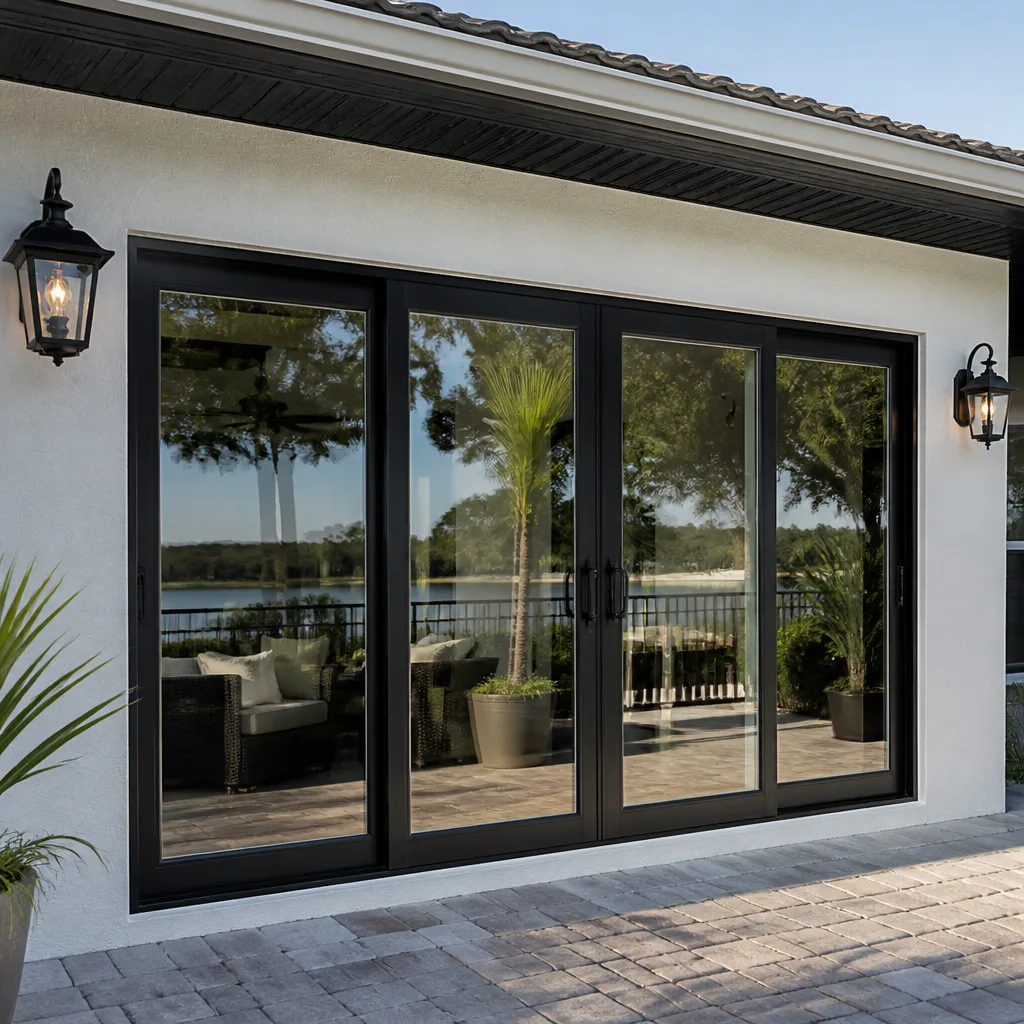

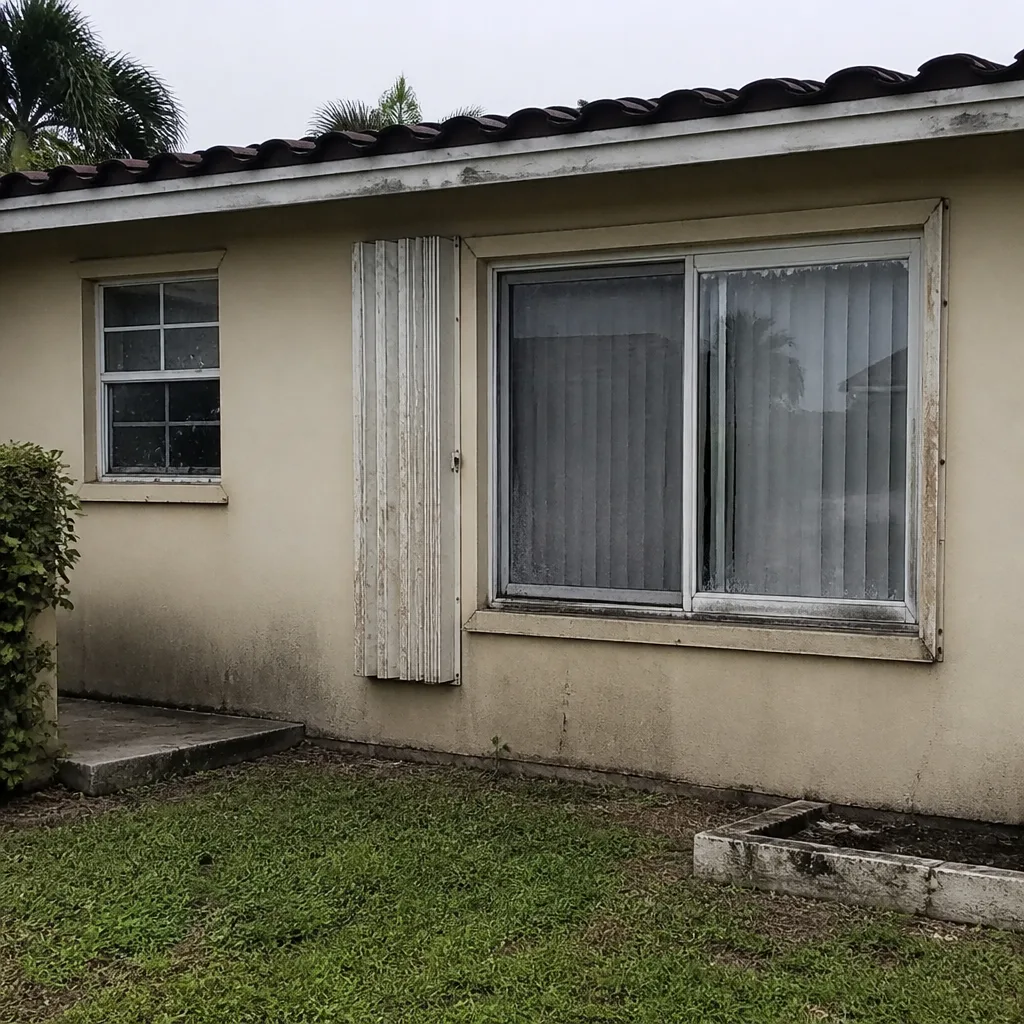 Before
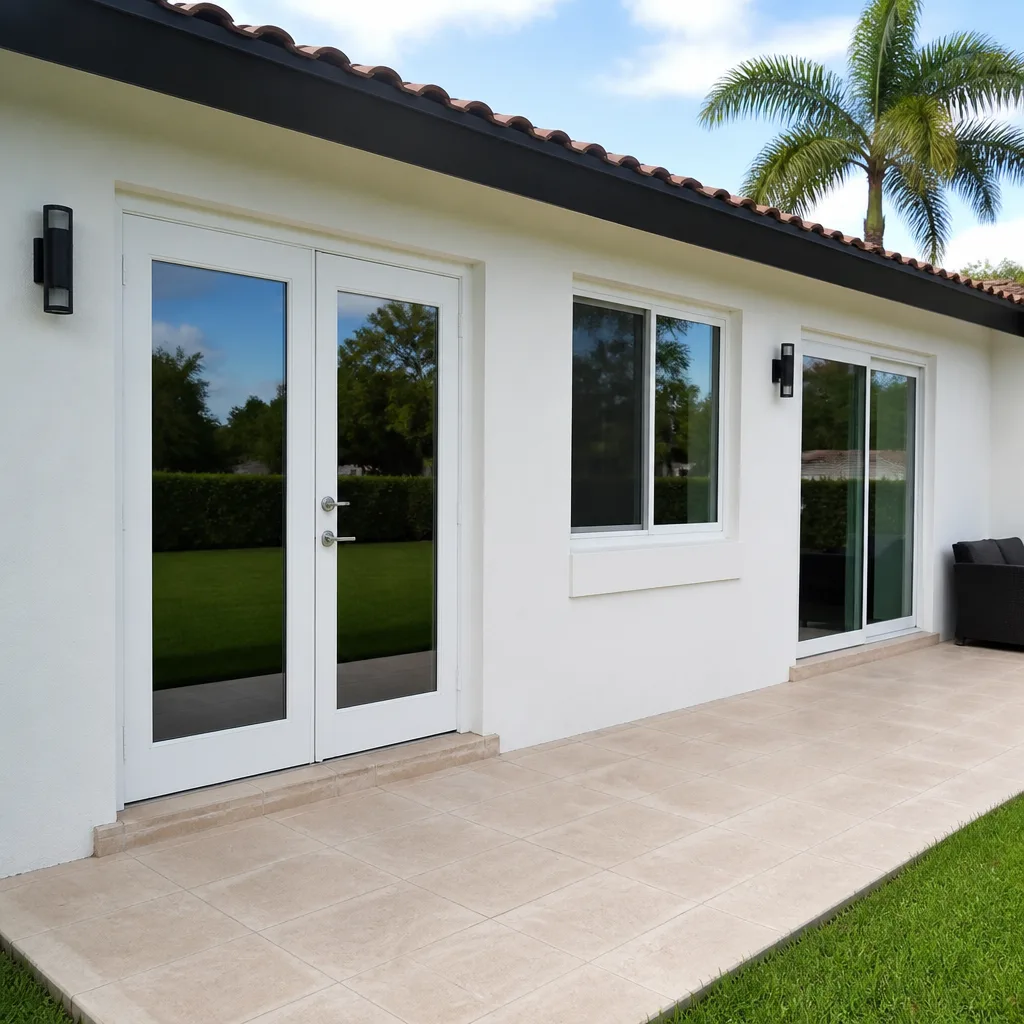 After
After Before
 After
After Before
 After
AfterSeasonal Windows & Doors Care for Miami Gardens: Year-Round Homeowner’s Guide
Miami Gardens averages 61.9 inches of rain annually, nearly double the U.S. average, with roughly 75% of it concentrated between May and October. That means a window seal that performed fine in February is under six times the hydrostatic stress by August, a load profile that bi-annual maintenance schedules routinely underestimate. Most homeowners in Miami Gardens treat window and door care as a once-a-year chore, usually in spring. That schedule works in Cleveland or Charlotte. Here, it misses the point entirely. This guide maps the actual two-season climate reality of Miami Gardens, the specific maintenance protocols that match it, and the inspection sequences that catch problems before they become water damage claims or security failures. For Windows & Doors Permits, Codes & Inspections in FL: What You Need to Know, see our dedicated resource.
Quick Answer
Windows and doors in Miami Gardens need two distinct maintenance schedules: a pre-wet-season protocol in April focused on sealant integrity, drainage clearance, and storm hardware verification, and a dry-season protocol from November through March addressing UV degradation, sealant chalking, and hardware wear. Skip either, and you’re maintaining for a climate that doesn’t exist here.
Table of Contents

- The Two-Season Reality of Miami Gardens
- Pre-Wet-Season Checklist: April Preparation
- Mid-Wet-Season Monitoring: July Diagnostics
- Post-Storm Inspection Protocol
- Dry-Season UV Protocol: November-March
- Annual Hardware Service Schedule
- Common Mistakes to Avoid
- When to Call a Professional
- Frequently Asked Questions
- The Bottom Line
 Before
 After
AfterThe Two-Season Reality of Miami Gardens
Miami Gardens sits at 25.9 degrees north latitude on the Atlantic Coastal Ridge, with a tropical monsoon climate that doesn’t conform to temperate four-season thinking. The National Weather Service divides our year into wet season (May through October) and dry season (November through April). For windows and doors, this division matters more than any calendar quarter.
During wet season, the dominant threats are sustained humidity above 75%, wind-driven rain at 35+ mph during tropical systems, and hydrostatic pressure against seals that never fully dry. During dry season, UV intensity peaks, surface temperatures on south- and west-facing frames can exceed 140°F, and Saharan dust layers abrade sealant surfaces. The products we specify from PGT and CGI for Miami Gardens installations are rated for both load profiles, but no rating eliminates the need for seasonal verification.
We’ve measured the difference in our documented photo records. A sealant joint that showed 4mm of compression set in April can degrade to 12mm of effective gap by October if the weep drainage behind it has clogged. That’s not product failure. That’s maintenance failure, and it’s preventable with the protocols below.
Neighborhood context matters too. Homes in the Lake Lucerne area, built largely in the 1960s and 1970s, often have original aluminum frames with updated impact glazing. The frame anchoring and the glazing are on different replacement cycles, and the interface between them is where we find most latent leaks. In newer construction near Calder Casino or along the Turnpike corridor, vinyl frames with multi-chamber construction dominate, but the multipoint locking hardware on impact-rated doors sees heavier use and needs more frequent torque verification. Window installation in Miami Gardens has evolved significantly across these vintages, and maintenance must match the specific assembly.
Pre-Wet-Season Checklist: April Preparation
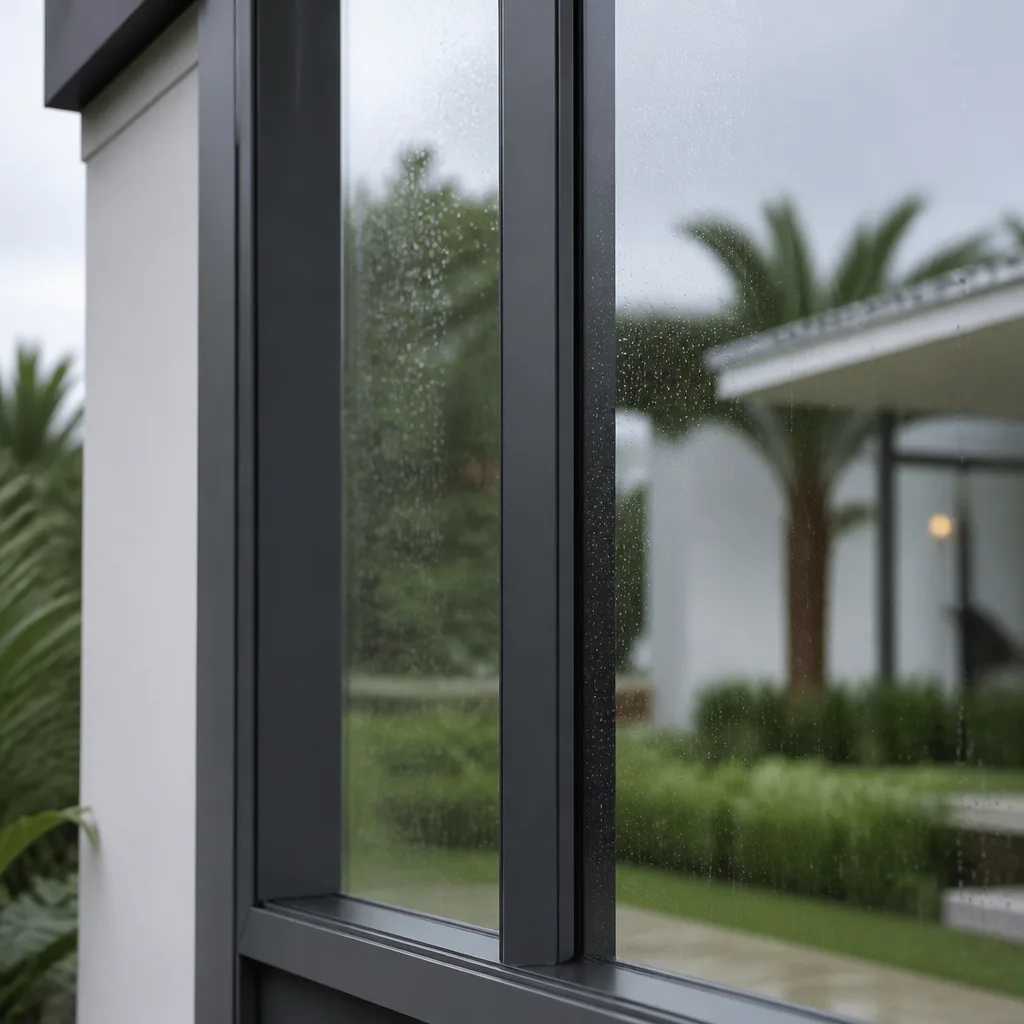
The five tasks below determine whether your windows and doors will perform through the wet season or become part of our July call volume. We perform these as a structured service, but a competent homeowner can execute them with the right sequence and tools. See our Window Installation Maintenance Checklist for Miami Gardens Homeowners for a printable version.
1. Sealant Probe Test
Perimeter sealant is the primary water barrier for retrofit windows and doors in Miami Gardens. The probe test uses a plastic spatula or dedicated sealant probe (never metal, which scores the substrate) to check for:
- Adhesion loss: the sealant separates from frame or wall with light pressure
- Cohesive cracking: the sealant body splits internally
- Compression set: the sealant no longer rebounds to original profile
Probe at corners first, then mid-span every 24 inches. In Miami Gardens, sealant on south and west exposures typically degrades 40% faster than north-facing due to UV pre-conditioning. Document what you find with dated photos. If adhesion loss exceeds 15% of the perimeter length, replacement is indicated before May 1.
2. Weep Hole Clearance
Weep holes allow drainage from the sill track or frame cavity to the exterior. In Miami Gardens, they clog with a specific combination: dust accumulation during dry season, followed by organic growth once humidity sustains. A blocked weep hole turns a minor seal breach into active interior water intrusion.
- Locate all weep holes on each operable unit, typically on the exterior sill face or underside of the sash
- Clear with a weep hole tool or straightened paper clip, working from the exterior to push debris out
- Verify flow by pouring 4 oz of water into the track, it should exit the weep within 30 seconds
- Remove and clean weep hole covers if present, these often trap debris against the opening
We find blocked weeps in roughly 30% of Miami Gardens homes we survey, concentrated in units with landscaping mulch or soil grade within 6 inches of the sill.
3. Hardware Lubrication Spec
Impact-rated hardware operates under higher spring and cam loads than standard units. Use only dry PTFE-based lubricant on multipoint lock mechanisms, never petroleum-based products that attract dust. For rollers and hinges, a silicone-free synthetic grease rated for marine exposure. Apply sparingly, cycle the hardware 10 times, then wipe excess. Over-lubrication is the common error, it collects dust and hardens into abrasive paste by September.
4. Screen Tension Check
Screens in Miami Gardens take wind load that inland climates don’t replicate. Check frame corners for separation and mesh for sag exceeding 1/2 inch at mid-span. Loose screens become projectiles in tropical storm conditions and void impact-rated assembly warranties if they damage glazing. Tension or replace, don’t remove and store, screens are part of the designed pressure envelope.
5. Shutter Hardware Test
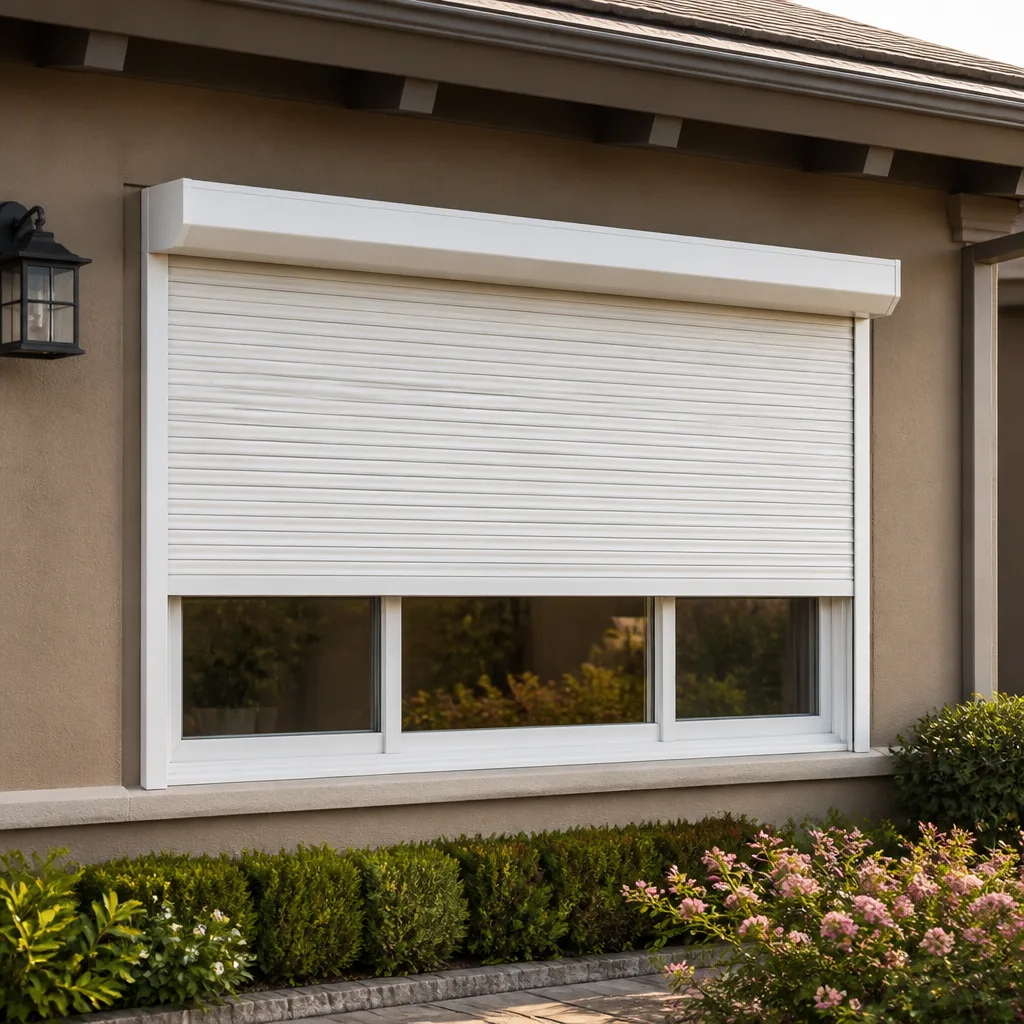
For homes with colonial or Bahama shutters, test all hinges, stays, and locking dogs. For accordion or roll-down systems, verify track clearance and motor limit switches. The Florida Building Code requires functional storm protection for impact-rated openings, maintenance failure can affect insurance claims after a named storm.
Mid-Wet-Season Monitoring: July Diagnostics
By mid-July, Miami Gardens has typically received 25-30 inches of rainfall. This is when latent installation defects and deferred maintenance convert to active problems. The critical skill is distinguishing condensation from water intrusion, the wrong diagnosis leads to unnecessary work or missed damage.
Condensation vs. Intrusion: The Decision Matrix
Condensation forms on interior glass or frame surfaces when interior dew point exceeds surface temperature. In Miami Gardens, this occurs when:
- Interior humidity exceeds 60% with AC set above 74°F
- Single-pane or failed-IGU units present cold interior glass
- Air circulation near the unit is blocked by treatments or furniture
Condensation patterns are uniform, often covering large glass areas, and dry when conditions change. The water is distilled, it leaves no residue.
Water intrusion enters from the exterior through breaches in the water management system. Signs include:
- Localized staining at frame corners or sill ends, never uniform across glass
- Water carrying dust or organic material, visible as staining when dry
- Appearance during rain events specifically, not during high-humidity still air
- Accumulation in the sill track or sub-sill cavity, visible through weep flow or interior emergence
The threshold for immediate contractor call: any intrusion that reaches interior finishes, any intrusion accompanied by frame movement or glazing noise, or any intrusion in an impact-rated unit where the pressure seal may be compromised. Condensation management is homeowner territory, intrusion investigation is not.
In our experience across Miami Gardens, the Bunche Park and Norwood neighborhoods see higher condensation call volume due to older HVAC systems with poor humidity control, while newer areas near Miami Gardens Drive report more intrusion from landscape irrigation misdirected against sill areas. The diagnosis differs, the response differs.
Post-Storm Inspection Protocol
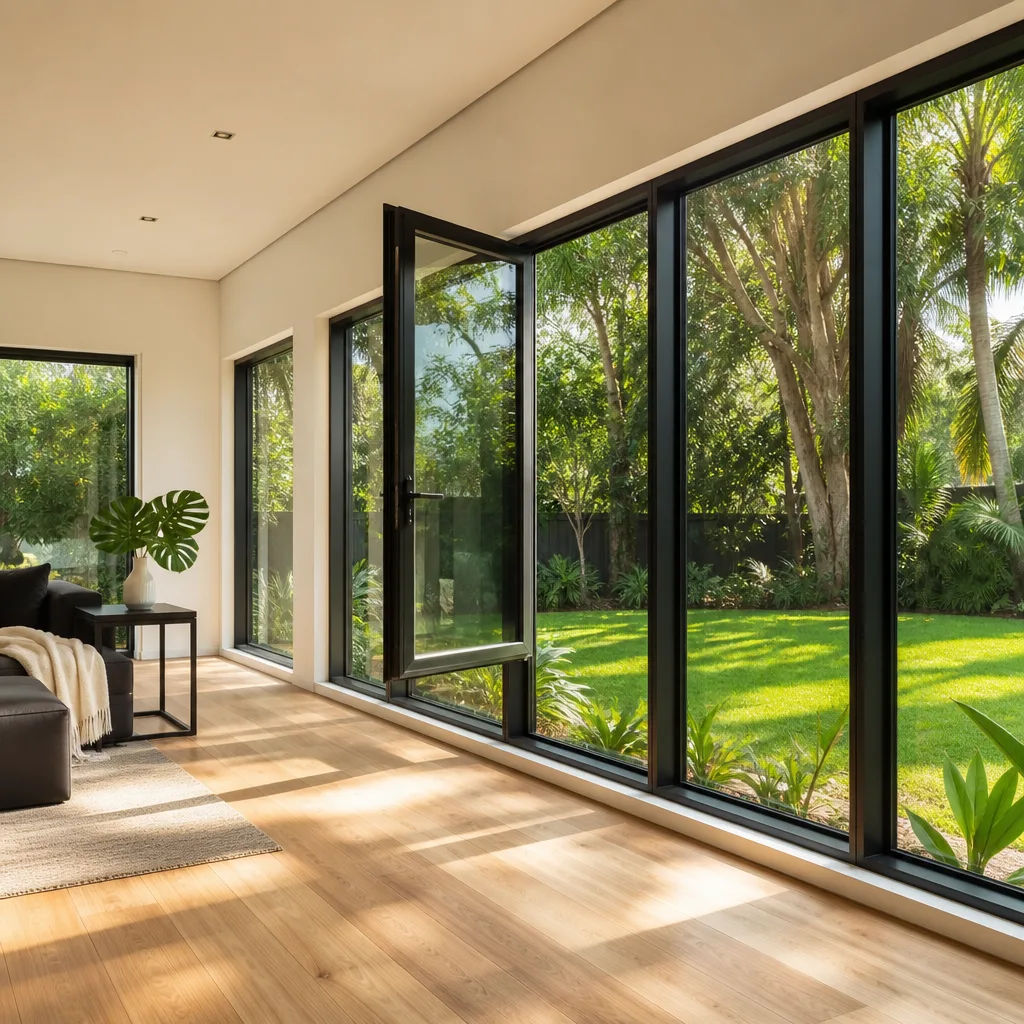
After any named storm or tropical system with sustained winds above 39 mph, windows and doors need ordered inspection, not a casual look. The sequence matters because early steps can reveal damage that changes how you evaluate later steps.
- Frame anchoring: Check interior and exterior frame-to-wall interfaces for separation, caulk tears, or fastener backing out. Use a straightedge across the frame face, any deviation from plane indicates anchoring stress. In Miami Gardens, wind-borne debris impact can transfer load to anchors that show no surface damage.
- Glazing integrity: Inspect for cracks, chips, or displacement in the glass or interlayer. For laminated impact glass, look for delamination at edges, visible as whitening or separation. A 2-inch rule applies, any crack or delamination reaching within 2 inches of the edge compromises the structural bond and requires replacement per Miami-Dade product approval standards.
- Flashing and sealant: Examine head flashing for displacement or tearing, particularly where coping or trim interfaces with the wall. Check sealant at all perimeters for fresh cracking or adhesion loss. Storm surge or wind-driven rain can load sealant beyond its design capacity even when the unit itself is undamaged.
- Hardware function: Cycle each operable unit through full range. Binding, grinding, or failure to latch indicates frame distortion or debris intrusion in the mechanism.
- Documentation: Photograph everything before cleanup or temporary repair. Insurance and warranty claims require contemporaneous evidence. Our Haven Standard includes this as standard practice on every post-storm service call in Miami Gardens.
The documented photo record we provide on every Sightline job becomes particularly valuable here, pre-storm condition establishes baseline for damage assessment. If you don’t have dated pre-storm photos, take them now before the next system forms.
Dry-Season UV Protocol: November-March
From November through March, Miami Gardens receives only 15-20% of annual rainfall but 45% of annual UV dose. The sun angle is lower, south and west exposures receive more direct radiation per hour, and the dry air allows higher surface temperatures. This is when sealant chalks, frame pigments fade, and hardware lubricants oxidize.
Sealant Chalking Assessment
Chalking is the powdery residue on sealant surfaces caused by UV degradation of the polymer backbone. It’s not merely cosmetic, it indicates the sealant’s elastomeric properties are declining. Test by wiping the surface with a dark cloth, heavy white residue indicates advanced degradation.
For touch-up or spot repair, chemical compatibility is critical. Miami-Dade approved installation sealants for impact-rated assemblies are typically neutral-cure silicones or high-performance polyurethanes. Acrylic latex sealants, common in hardware stores, are not compatible, they lack the movement capability and adhesion required for Florida wind loads. We specify Dow 795, GE SCS2000, or Pecora 895 for field repairs on assemblies we’ve installed, matched to the original sealant chemistry.
Frame Fade and Coating Integrity
Vinyl frames in dark colors, particularly bronze and forest green popular in Miami Gardens HOA communities, show fade first on south and west exposures. Fade beyond 3 Delta E units indicates UV stabilizer depletion and predicts embrittlement. Powder-coated aluminum frames may show chalking of the coating itself, exposing substrate to galvanic corrosion if the coating is breached.
Touch-up of powder coat requires factory-matched paint with compatible primer, field-applied enamel without proper surface preparation fails within 18 months in this UV environment. For vinyl, no effective field restoration exists, replacement of affected components or full unit replacement is the durable solution.
Hardware Oxidation Check
Remove and inspect hinge pins, lock cylinders, and roller axles for oxidation or corrosion. The salt air load in Miami Gardens, even inland, is higher than most homeowners assume, chloride deposition from sea breeze penetration reaches measurable levels. Clean with solvent, re-lubricate with specified products, and replace any component with pitting or thread damage.
Door installation in Miami Gardens under the Haven Standard includes hardware specification by exposure and use profile, but field maintenance must continue that specification.
Annual Hardware Service Schedule
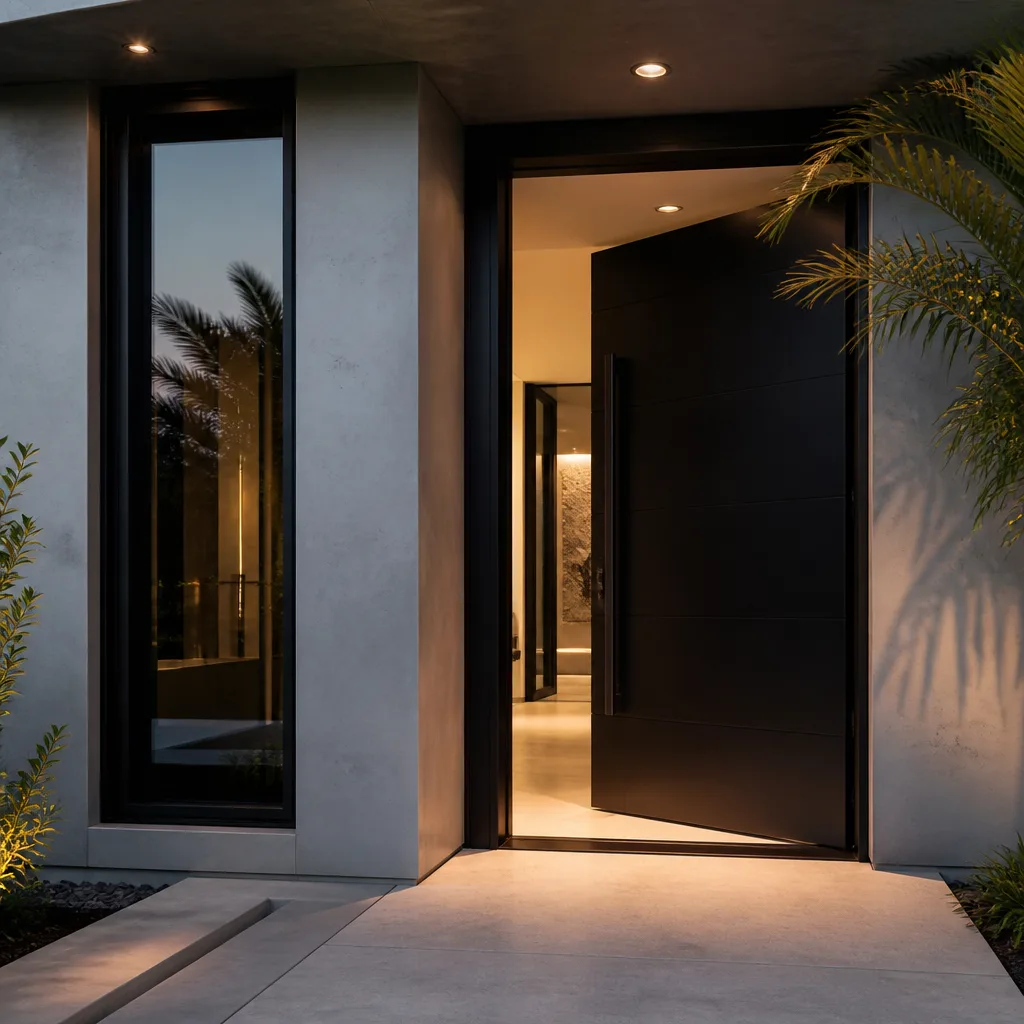
Impact-rated doors in Miami Gardens operate under loads that standard hardware was never designed for. The multipoint locks, euro-groove rollers, and heavy-duty hinges on assemblies from Therma-Tru and ViewLux need specific attention at 12-month intervals, not when they fail.
Multipoint Lock Torque Verification
Multipoint locks secure the door at multiple points along the jamb using a central gearbox and extending rods or hooks. Torque the mounting screws to manufacturer specification, typically 45-55 in-lbs for M5 fasteners in steel reinforcement. Over-torque strips the reinforcement insert, under-torque allows movement that wears the keeps. Check keep alignment with the door closed, the latch or hook should enter without contact on the approach face. Misalignment indicates frame settlement or hinge sag, not lock failure.
Euro-Groove Roller Adjustment
Sliding and lift-slide doors use adjustable rollers in the euro-groove channel at the bottom of the sash. Adjustment interval is 12 months in normal use, 6 months if the door sees daily cycling or if the track collects debris. The adjustment screw raises or lowers the sash, proper setting provides:
- Uniform contact on the weatherstrip, visible as even compression across the seal face
- Smooth rolling without binding or edge contact in the track
- Proper drainage slope on the sill, water should flow to weep holes, not pool
Adjust in 1/4-turn increments, test operation, and verify seal contact with a dollar-bill drag test, moderate resistance when pulling the bill through the closed door.
The Plumb Measurement That Prevents Security Failure
Doors shift off plumb before they become hard to operate. The early indicator is reveal measurement, the gap between door edge and jamb, measured at top, middle, and bottom. On a properly hung door, these three measurements match within 1/16 inch. Variation exceeding 1/8 inch indicates hinge wear, frame settlement, or structural movement.
Security implication: a door 1/4 inch out of plumb may still latch at the handle point but leave the multipoint hooks misaligned with their keeps. The door appears secure, it’s not. Measure reveal annually, before the wet season, and address variation immediately. Window replacement in Miami Gardens often reveals the same issue in tilt-turn or hopper units, where sash-to-frame reveal indicates hinge or hardware wear.
Common Mistakes to Avoid
- Using pressure washers on windows and doors. The 2,000+ psi stream drives water past seals that are designed to resist wind-driven rain at 35 mph, not concentrated jet pressure. We’ve documented seal failure from pressure washing in at least a dozen Miami Gardens homes annually.
- Applying car wax to vinyl frames. Petroleum distillates in automotive products plasticize vinyl temporarily, then accelerate UV degradation. The frames look better for three months, then chalk prematurely.
- Ignoring weep holes until water appears inside. By the time interior water is visible, the sub-sill cavity has been wet for weeks, and the damage to surrounding framing is underway. Weep maintenance is prevention, not response.
- Assuming impact-rated means maintenance-free. Impact ratings verify performance under a single test event, they don’t guarantee infinite durability of seals, hardware, or anchoring. The rating is a baseline, maintenance extends it.
- Waiting for “spring cleaning” in March. By March, the dry season has already deposited six months of UV and dust load. The correct maintenance window for pre-wet-season prep is April, not aligned with temperate-climate habits.
- Using silicone spray on all hardware. Silicone attracts dust and hardens into abrasive compound in Miami Gardens’ dust-plus-humidity cycle. PTFE dry lube for locks, synthetic grease for bearings, never interchange them.
- Removing screens “temporarily” during storm season. Screens are part of the designed pressure envelope for many impact assemblies. Their absence can alter wind load distribution and void warranty coverage for adjacent components.
When to Call a Professional

Some conditions require trained assessment, not homeowner investigation. Call a licensed window and door contractor when you find: glazing cracks or delamination in impact-rated units, frame-to-wall separation exceeding 1/8 inch, water intrusion that has reached interior finishes, hardware failure in multipoint locks or panic devices, or any post-storm condition where structural integrity is uncertain.
At Sightline Windows & Doors Miami Gardens, we provide free estimates with written scope and pricing before any work begins, documented photo records on every visit, and the 365-Day Done Right Promise backed by the Haven Standard. If you’re unsure whether a condition warrants professional attention, call (754) 354-6649, we’ll review what you’ve found and give you a straight answer.
Frequently Asked Questions
Professional seasonal maintenance for a typical 2,000-square-foot home in Miami Gardens runs $180-$340 for the five-point pre-wet-season protocol, including sealant probe test, weep clearance, hardware service, screen tension check, and shutter hardware verification. Repairs found during maintenance, such as sealant replacement or hardware replacement, are quoted separately with written pricing before execution. Call (754) 354-6649 for an exact quote, estimates are free.
A competent homeowner can execute the inspection and basic maintenance protocols in this guide with standard tools and approximately 3-4 hours for a typical home. Professional service is indicated when the inspection reveals defects beyond maintenance scope, such as glazing compromise, frame anchoring issues, or sealant replacement on impact-rated assemblies where product approval compliance matters. The value of professional service is the documented condition record and the verification that maintenance hasn’t masked a developing failure. Explore more guides & resources for year-round window and door care.
Impact windows in Miami Gardens need structured inspection twice yearly, in April before wet season and in November as dry season begins. The April inspection emphasizes water management, sealant integrity, and storm hardware. The November inspection emphasizes UV degradation, hardware oxidation, and dry-season dust accumulation. A post-storm inspection is added after any named system or tropical storm with sustained winds above 39 mph.
Condensation is uniform moisture on interior glass or frame surfaces caused by high interior humidity contacting cold surfaces, it dries when conditions change and leaves no stain. Water intrusion enters through exterior breaches, appears localized at frame corners or sill ends specifically during rain events, carries visible debris, and leaves staining when dry. Condensation indicates environmental control or IGU failure, intrusion indicates water management failure. Intrusion always warrants professional investigation, condensation may be managed by the homeowner.
No. Haven Clause 1 of the Haven Standard requires that the written price and the scope of work are fixed before any work begins. The measurement and the quote are the same document. If inspection reveals additional conditions, we stop, document, and provide a revised written quote before proceeding. No change orders, no surprises. This has been Sightline’s practice since 2012.
Permits are required for all window and door replacements in Miami-Dade County, including Miami Gardens, when the work involves changes to the opening, impact-rated products, or alterations to egress. Sightline pulls all required permits and schedules inspections as part of standard project execution, documented in the written scope. Maintenance work that does not alter the installed product typically does not require permitting, we will specify which category your work falls into during the estimate.
The five-point pre-wet-season protocol for a typical single-family home in Miami Gardens takes 2.5 to 4 hours depending on unit count and accessibility. Post-storm inspection takes 1.5 to 2.5 hours for a standard home, longer if documentation for insurance or warranty claims is required. We schedule with arrival windows, not vague “morning or afternoon” blocks, Haven Clause 2.
The Bottom Line
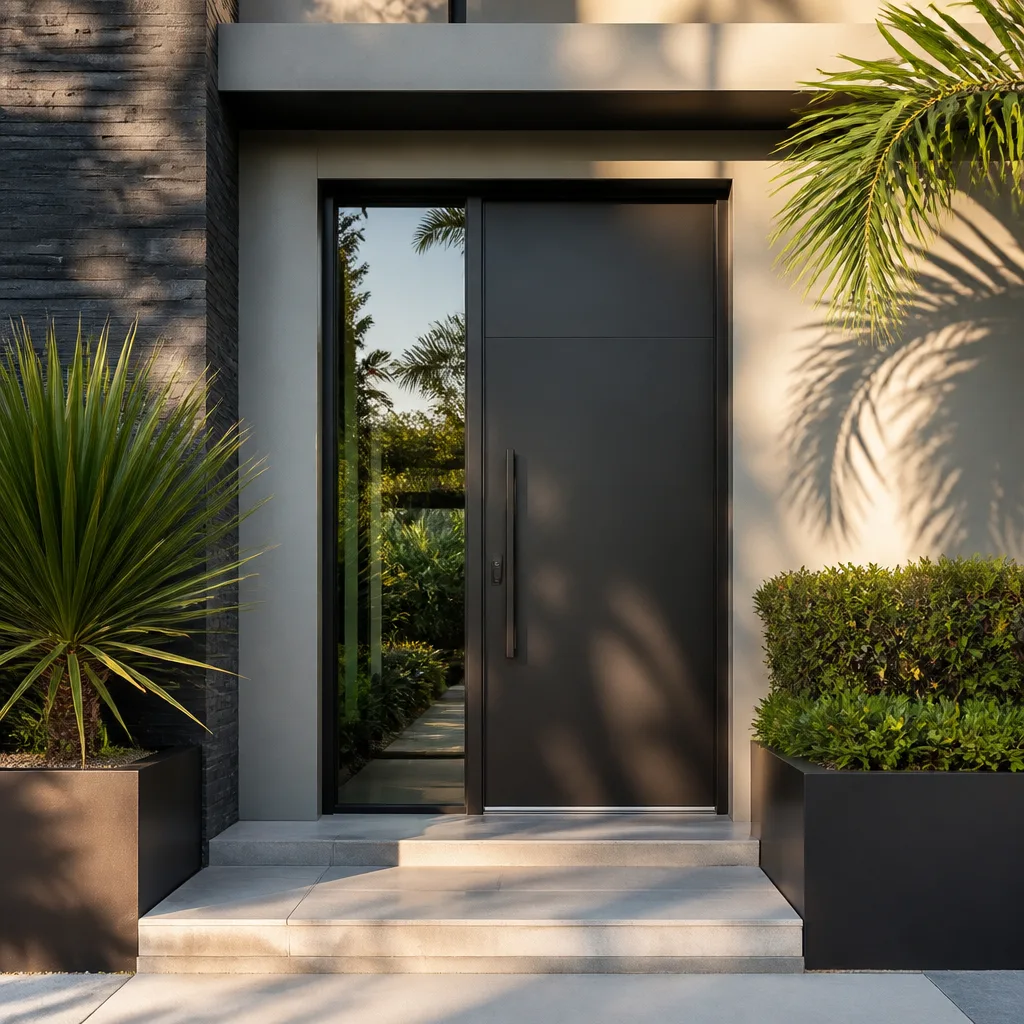
Miami Gardens has two seasons for window and door care, not four, and the maintenance calendar must match that reality. April preparation determines wet-season performance. July monitoring catches problems before they become interior damage. November UV assessment prevents the degradation that makes next year’s wet season harder. Annual hardware service maintains security function. Skip any of these, and you’re not maintaining for the climate you actually live in.
The protocols in this guide are drawn from 18,000+ installations across South Florida since 2012, documented with written prices and photo records under the Haven Standard. They’re specific to our conditions, not recycled from temperate-climate advice. Execute them, or have them executed, with the same precision you’d expect from any trade that measures once and cuts once.
Call (754) 354-6649 to schedule your free estimate. We’ll provide a written scope, a written price, and a documented record, Haven Clause 1 through 5.
Written by Sonia Raman, Owner at Sightline Windows & Doors Miami Gardens, serving Miami Gardens since 2012.