
Last updated September 24, 2026
Free in-home measure and quote - PGT, CGI and CWS impact lines compared on your actual openings, style by style
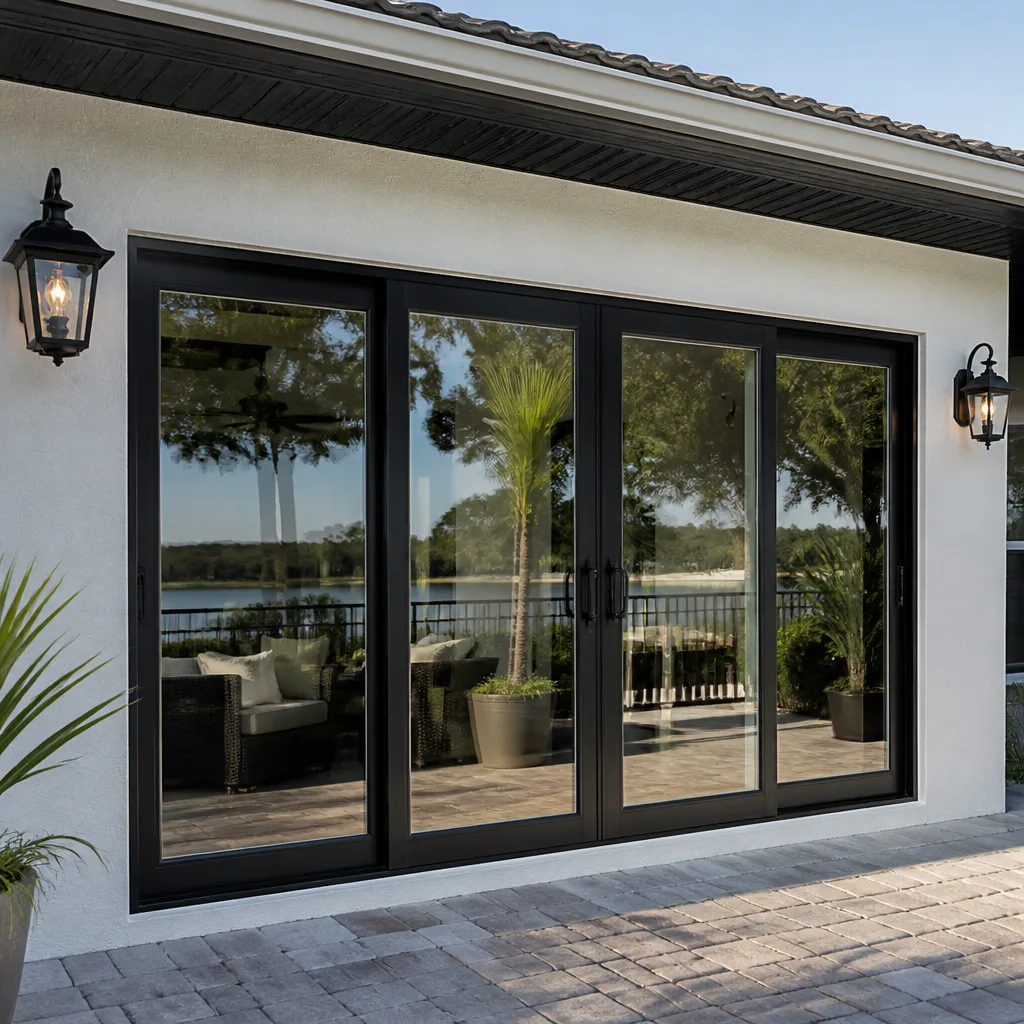
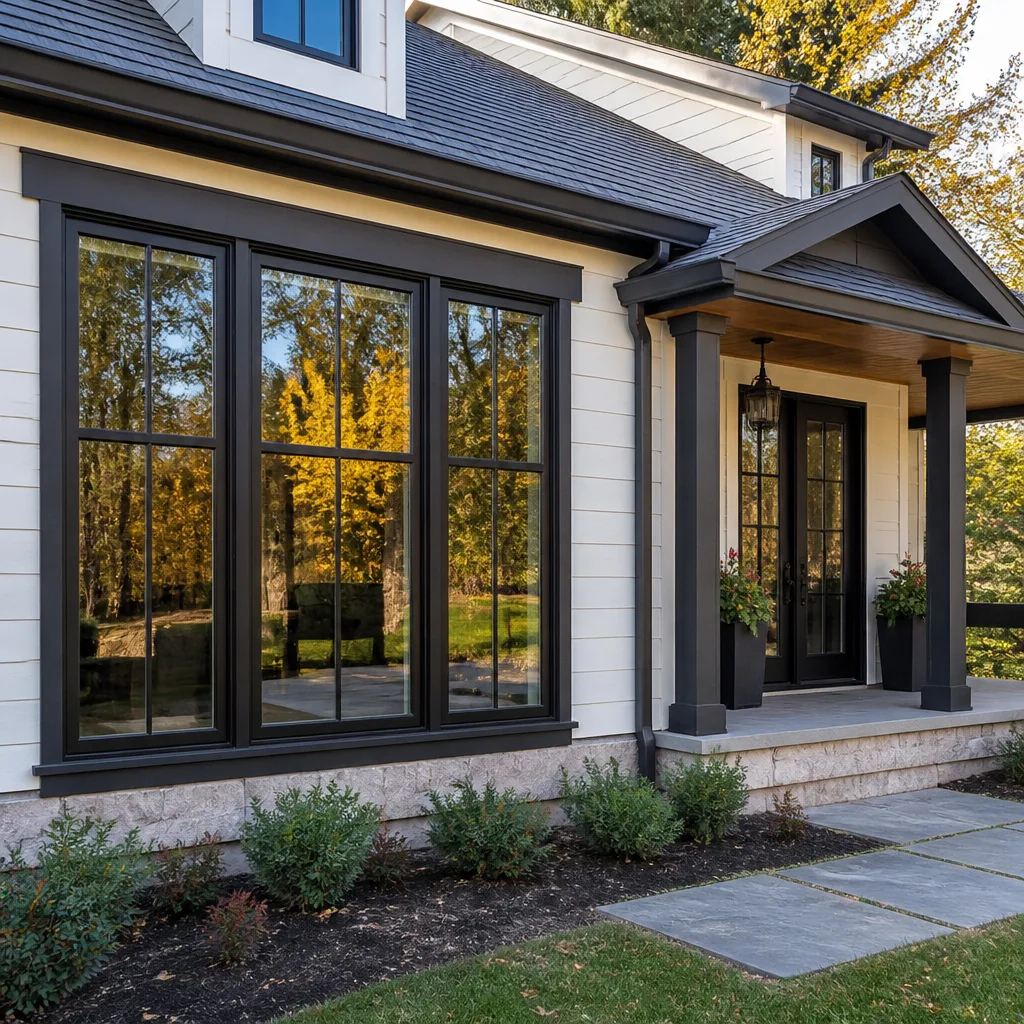
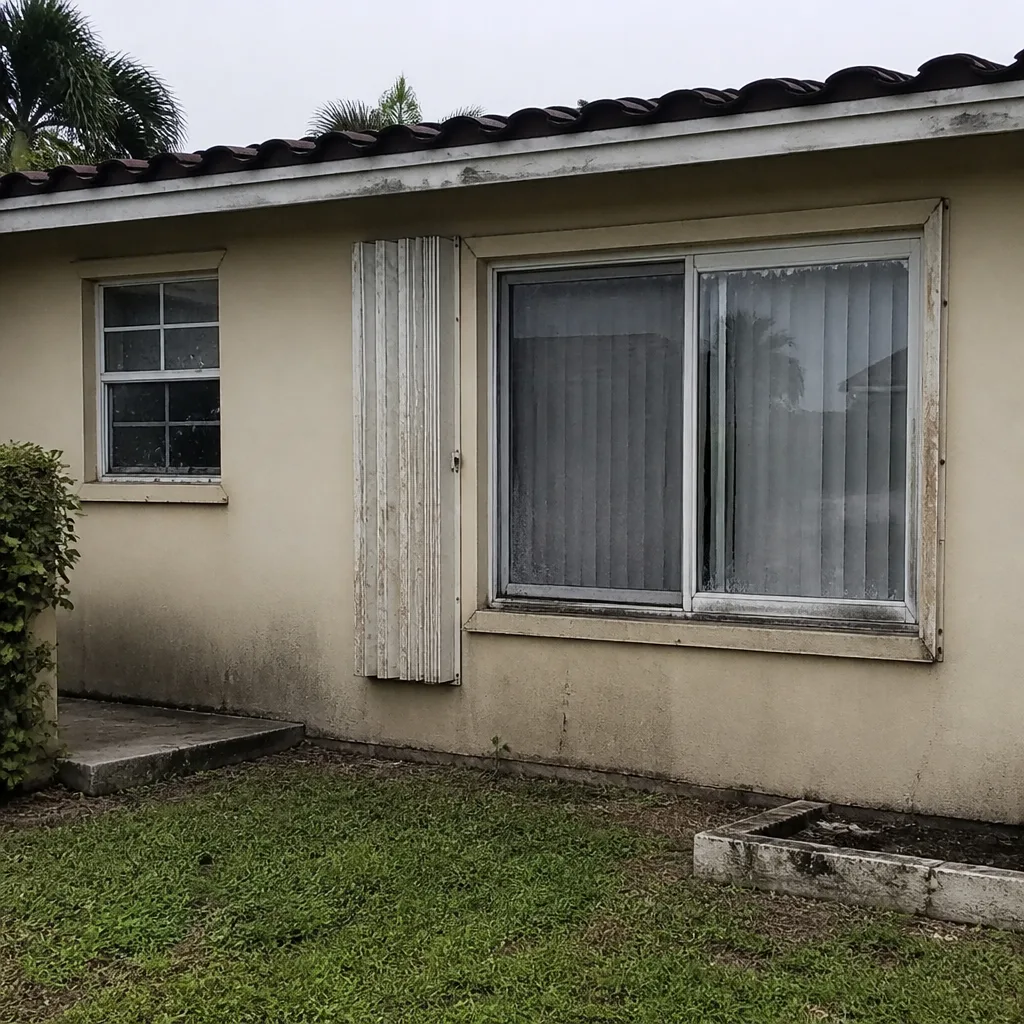 Before
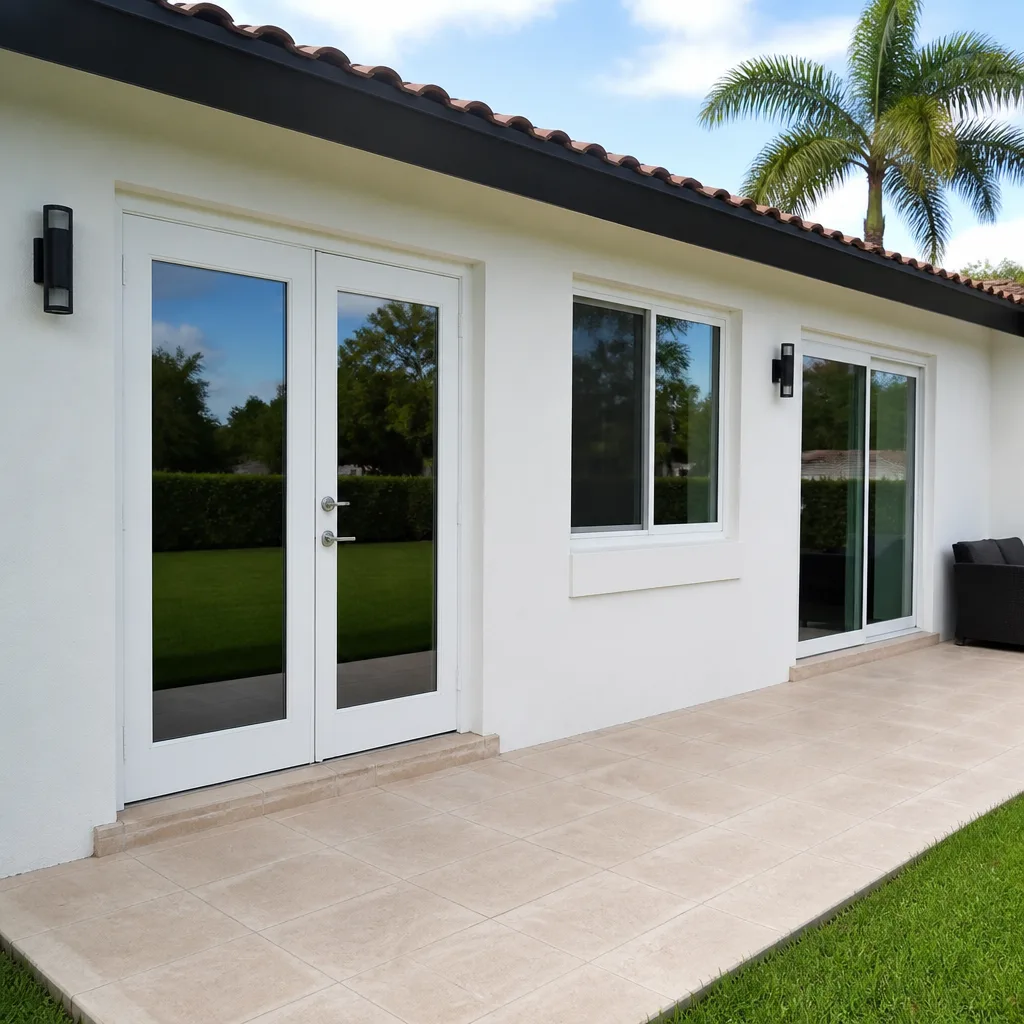 After
After Before
 After
After Before
 After
AfterWindows & Doors Permits, Codes & Inspections in FL: What You Need to Know
A window that passes Florida Building Code Chapter 24 but lacks a Miami-Dade Notice of Acceptance will fail inspection in Miami Gardens. That’s not a paperwork error; it’s a structural mismatch between two regulatory layers. Florida sets the statewide floor, but Miami-Dade’s High-Velocity Hurricane Zone amendments sit above it, and HVHZ rules govern every residential window and door installation from Bunche Park to Lake Lucerne. We’ve watched contractors licensed in Orlando or Tampa pull Florida-compliant products for Miami Gardens jobs and learn the hard way that the product approval chain stops at the county line. This guide maps both layers, explains how they interact, and shows you what inspectors actually look for at each stage.
Quick Answer
Every window and door replacement in Miami Gardens requires a Miami-Dade building permit, a product with a valid Notice of Acceptance for High-Velocity Hurricane Zone use, and three inspections: rough-in, product approval verification, and final. Florida Building Code Chapter 24 sets minimum performance standards, but Miami-Dade’s HVHZ amendments supersede them and add impact-resistance, installation method, and physical labeling requirements that do not exist elsewhere in the state. See our Complete Guide to Windows & Doors in Miami Gardens for full details.
Table of Contents

- Florida Building Code vs. Miami-Dade HVHZ: Two Regulatory Layers
- The Notice of Acceptance Database: How to Read It
- Miami-Dade’s Permit Process vs. Standard Florida Permits
- The Three-Stage Inspection Sequence in Miami-Dade
- Impact Product Labeling: What Must Be Visible
- Insurance, Financing, and Sale Risks of Unpermitted Work
- Choosing Compliant Products: Manufacturer Lines That Meet Both Standards
- Common Mistakes to Avoid
- When to Call a Professional
- Frequently Asked Questions
- The Bottom Line
 Before
 After
AfterFlorida Building Code vs. Miami-Dade HVHZ: Two Regulatory Layers
Florida operates under a unified building code, but “unified” does not mean “identical everywhere.” The Florida Building Code, 7th Edition (2020), sets baseline requirements for fenestration in Chapter 24. It covers wind load calculations, water infiltration resistance, and energy performance metrics like U-factor and Solar Heat Gain Coefficient. For most of Florida, compliance with Chapter 24 is sufficient.
Miami-Dade County occupies a different category. The county sits in a High-Velocity Hurricane Zone, defined as areas where design wind speeds exceed 170 mph in a 700-year return period. HVHZ status triggers Chapter 16 amendments that supersede statewide minimums. In Miami Gardens, this means three additional requirements that do not apply in Orlando, Jacksonville, or even most of Broward County:
- Impact resistance testing: All exterior windows and doors must demonstrate resistance to large missile impact (9-pound 2×4 lumber at 34 mph) and cyclic pressure loading. Florida Building Code allows non-impact products with approved shutters in most zones. Miami-Dade HVHZ does not.
- Product-specific installation methods: The NOA for each product lists approved fastening patterns, sealant types, and frame attachment details. Deviations void the approval even if the product itself is impact-rated.
- Continuous load path documentation: Inspectors verify that window and door frames tie into the wall’s structural system according to the NOA’s engineering, not just general fastening schedules.
We’ve measured openings in Miami Gardens neighborhoods from Norland to Carol City where the original 1960s aluminum windows were installed under Dade County’s pre-HVHZ code. Those frames often lack the depth and anchoring capacity for modern impact-rated products. The replacement isn’t a swap; it’s a structural upgrade that triggers permit and inspection requirements even when the dimensions stay identical. Learn the Windows & Doors Warning Signs: A Miami Gardens Homeowner’s Reference Guide to spot these issues early.
The climate reality reinforces this. Miami Gardens sees an average of 61 inches of annual rainfall and regular exposure to tropical storm-force winds. The HVHZ amendments weren’t added as bureaucratic overlay; they were written after Hurricane Andrew demonstrated that window and door failures initiate progressive collapse in residential structures. Understanding this history matters because it explains why inspectors in Miami-Dade apply stricter scrutiny than their counterparts elsewhere in Florida.
The Notice of Acceptance Database: How to Read It
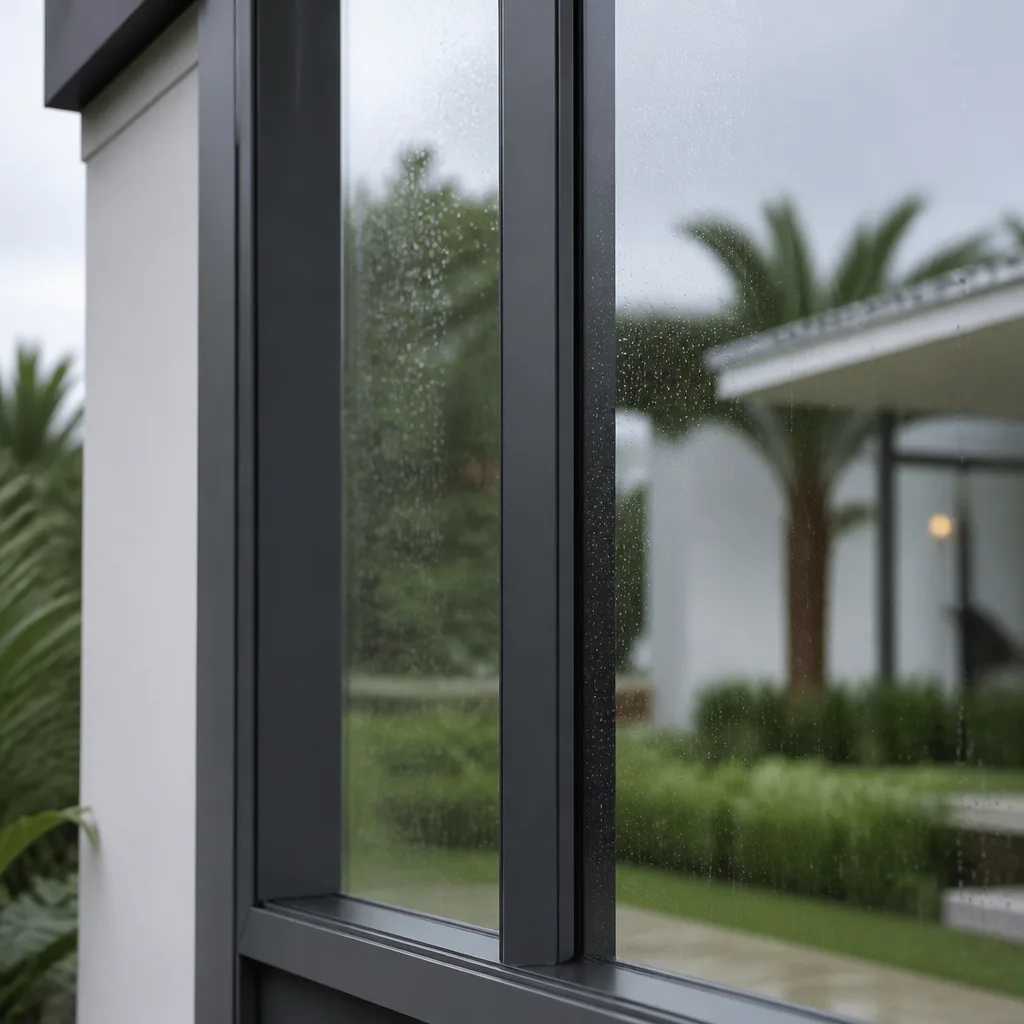
The Notice of Acceptance is Miami-Dade County’s product approval document. It exists in parallel to Florida’s statewide product approval system, and for Miami Gardens installations, the NOA is the document that matters. Here’s how to use it correctly.
Finding a Product’s NOA
- Navigate to the Miami-Dade County Product Control Search portal. Search by manufacturer name, product series, or the specific NOA number if you have it.
- Verify the NOA status shows “Active.” Expired NOAs are common; manufacturers update them, but old versions circulate in contractor files.
- Confirm the product category matches your application. An NOA for “impact-resistant windows” does not automatically cover sliding glass doors from the same manufacturer, even under the same brand line.
- Check the “Approved Use” section for HVHZ designation. Some products carry Florida statewide approval but lack HVHZ-specific testing. These cannot be installed in Miami Gardens.
Reading the Approved Use Conditions
The NOA contains a section titled “Conditions of Use” or “Limitations” that specifies exactly how the product may be installed. In our experience reviewing competitor quotes for Miami Gardens homeowners, this is where most compliance failures originate. Critical elements to verify:
- Maximum opening dimensions: The NOA lists tested size ranges. Installing a product in an opening larger than its tested maximum voids the approval, even if the frame physically fits.
- Approved wall types: Wood frame, concrete block, or steel stud construction each require specific anchoring methods. The NOA specifies which wall types were tested.
- Fastener schedule: Screw diameter, embedment depth, spacing, and pattern are all specified. Generic “as per manufacturer’s instructions” language on a permit application triggers rejection in Miami-Dade.
- Sealant and flashing requirements: The NOA names specific sealant products or performance categories. Substituting a different brand without updated engineering is not permitted.
We specify window installation in Miami Gardens using products from ES Windows, ECO Window Systems, and Mr-Glass, selected after confirming active HVHZ NOAs that match the wall construction of each specific home. The measured survey we provide includes the wall type verification, and the written quote references the NOA number for each specified product. This documentation travels with the permit application.
Confirming Installation Method Match
The final verification step compares the actual installation method to the NOA’s approved details. In Miami Gardens, we regularly encounter situations where a homeowner wants to change from a replacement frame installation to a full-frame removal during the project. This change often alters the fastening pattern and wall interface, requiring a different NOA section or a revised engineering letter. We flag this during the measured survey and document it in the written scope before any permit is pulled.
Miami-Dade’s Permit Process vs. Standard Florida Permits
Florida’s standard permit process for window and door replacement requires a completed application, proof of property ownership or authorized agent status, a scope of work description, and product approval documentation. Most Florida counties accept Florida Product Approval or Miami-Dade NOA interchangeably. Miami-Dade does not.
Additional Documents Required in Miami-Dade
Permit applications for Miami Gardens properties submitted to Miami-Dade County must include:
- HVHZ-specific product approval: Florida Product Approval alone is insufficient. The NOA must explicitly state HVHZ approval for the intended application.
- Engineered installation details: For products not installed exactly per NOA standard details, a Florida-licensed engineer must stamp drawings showing compliance with HVHZ structural requirements.
- Energy compliance documentation: Miami-Dade enforces Florida Energy Conservation Code compliance through prescriptive or performance paths. The permit application must show U-factor and SHGC values meeting or exceeding the climate zone requirements for South Florida.
- Notice of Commencement: For jobs exceeding $2,500, a recorded Notice of Commencement is required. This document protects lien rights and triggers specific timeline requirements for contractor payments.
- Contractor license verification: Miami-Dade requires active Certified Contractor or Registered Contractor status with the Florida Department of Business and Professional Regulation. The license number must appear on the permit application.
Where to Submit
Miami-Dade County permits are submitted through the Miami-Dade County Permitting and Inspection Center online portal or in person at the Stephen P. Clark Center in downtown Miami. Miami Gardens properties fall under Miami-Dade County jurisdiction, not an independent municipal permitting office. This confuses some homeowners who assume city incorporation affects permitting. It does not; Miami Gardens incorporated in 2003 but retains Miami-Dade County for building permits and inspections.
Permit fees in Miami-Dade are calculated based on project valuation. For a typical residential window replacement in Miami Gardens, expect permit fees between $150 and $400 depending on the number of openings and project value. The county provides a fee estimator online, but we include the estimated permit cost in our written quote so the homeowner sees the total before work starts. Haven Clause 1: no surprises.
Timeline Considerations
Standard Miami-Dade permit review for residential window and door replacement takes 5 to 10 business days for complete applications. Incomplete applications trigger correction notices that restart the timeline. Common causes of delay: expired NOA, missing energy compliance forms, or contractor license status issues. We verify all documentation before submission because a permit delay pushes the entire schedule, and we commit to arrival dates under Haven Clause 2.
The Three-Stage Inspection Sequence in Miami-Dade
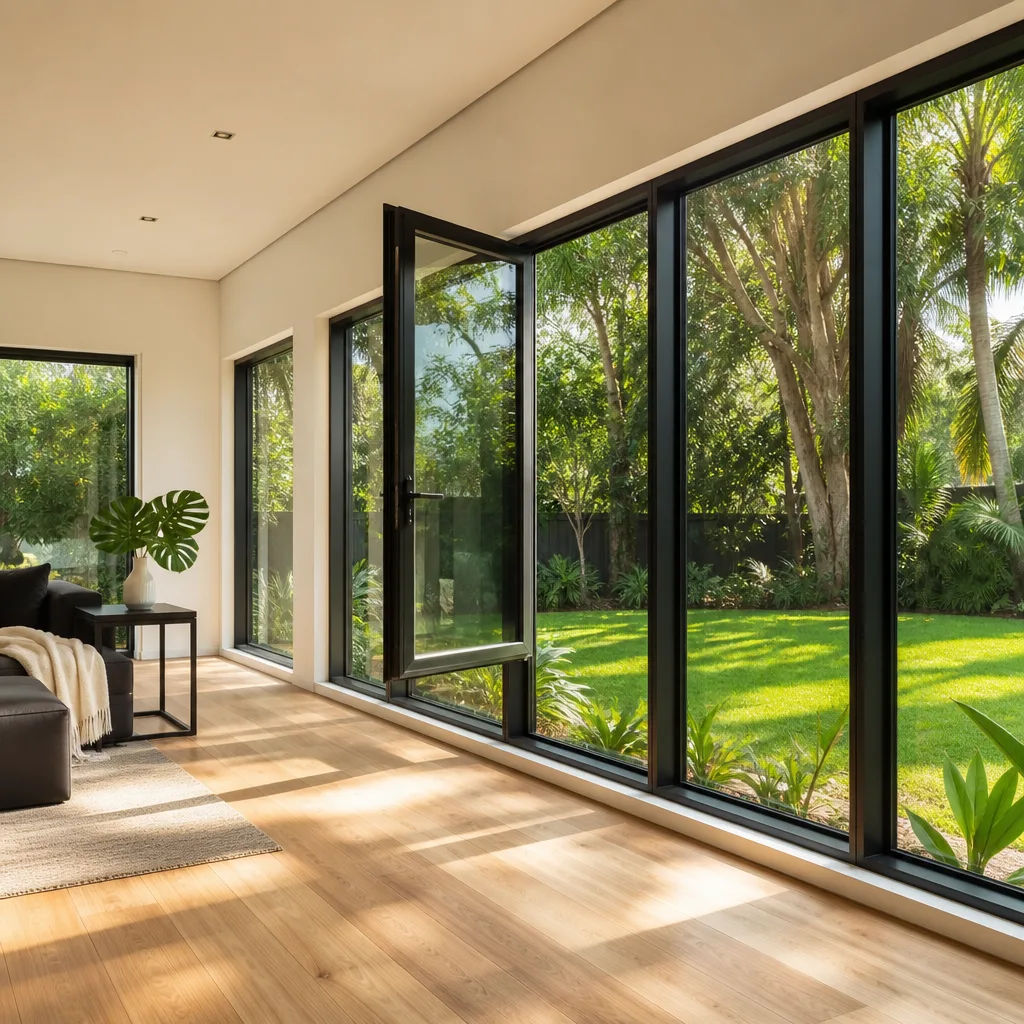
Miami-Dade requires three inspections for window and door replacement permits: rough-in, product approval verification, and final. Each has specific trigger conditions and failure modes. Understanding what each inspector evaluates prevents automatic re-inspections, which carry additional fees and schedule delays.
Inspection 1: Rough-In
The rough-in inspection occurs after existing windows or doors are removed and before new products are installed. The inspector verifies:
- Opening dimensions match permitted plans
- Structural framing is intact and properly reinforced for the new product’s fastening schedule
- Weather-resistant barrier continuity around the opening
- Flashings are installed per NOA details where required before product placement
Common rough-in failures in Miami Gardens: openings enlarged beyond permitted dimensions without revised engineering; inadequate fastening substrate in concrete block walls where the original window was set in mortar and the new product requires direct anchoring; missing or improperly lapped weather-resistant barrier. We document the pre-installation condition with photos for the homeowner’s record and to verify substrate readiness before the inspector arrives.
Inspection 2: Product Approval Verification
This inspection occurs after product installation but before interior trim and finishes conceal the work. The inspector verifies:
- Installed products match the NOA numbers on the permit
- Physical labels with NOA numbers, manufacturer, and product series are visible on frames and glass
- Fastening pattern matches NOA approved details
- Sealant type and application match NOA requirements
- Operational function of windows and doors
This is the inspection where out-of-county contractors most often fail. They install a product with a valid Florida Product Approval but no HVHZ NOA, or they install an HVHZ-approved product using a fastening method from a different wall type. The inspector does not exercise discretion; the NOA is the standard, and deviations require correction or engineering justification.
Inspection 3: Final
The final inspection verifies completion of all prior corrections, interior finish work, and site cleanup. For Miami Gardens properties, the inspector also confirms:
- All required energy labels are affixed and legible
- Impact-resistant glazing labels are present and match the NOA
- Operable windows and doors function smoothly within specified force limits
- Exterior sealants are tooled and complete
Automatic re-inspection triggers in Miami-Dade: absence of required labels, inaccessible fasteners for verification, installed product visibly different from permitted product, or incomplete weather sealing. Each re-inspection requires rescheduling through the county portal and payment of additional fees. We avoid these by conducting our own pre-inspection verification using the same checklist Miami-Dade inspectors apply.
Impact Product Labeling: What Must Be Visible
Miami-Dade inspectors verify impact product compliance through physical markings on installed products. These labels are not decorative; they are the primary evidence chain linking the installed product to its approved engineering. Missing or illegible labels cause immediate inspection failure.
Required Markings on Glass
Impact-resistant glazing must bear a permanent label, typically etched or ceramic-fired, containing:
- Manufacturer name or trademark
- Product designation or series
- Thickness and type of glass (laminated, laminated-insulated, etc.)
- Impact rating (large missile or small missile, as applicable)
- NOA number or reference to Miami-Dade approval
Labels must remain visible after installation. In operable windows, the label is typically in a corner of the fixed lite or on the sash frame. In sliding glass doors, labels appear on the fixed panel or door frame. We photograph each label during installation for the documented photo record the homeowner receives under Haven Clause 4.
Required Markings on Frames
Window and door frames must carry labels identifying:
- Manufacturer
- Product series or model
- NOA number
- Date of manufacture or batch code
These labels are typically adhesive or embossed metal tags. They must not be painted over, removed, or obscured by trim. In our door installation in Miami Gardens work, we see frequent label damage during handling of heavy impact-rated door units. We inspect labels before installation and document any manufacturer defects for replacement before the unit reaches the opening.
Temporary vs. Permanent Labels
Some manufacturers apply temporary paper labels during shipping. These are not inspection-compliant. The permanent label must be integral to the glass or frame. If you’re verifying a contractor’s installed product, look for etched or fired markings, not stickers that peel. We’ve reviewed jobs in Miami Gardens where homeowners were told their windows were impact-rated based on temporary shipping labels that fell off within months. The permanent marking is the only valid evidence.
Insurance, Financing, and Sale Risks of Unpermitted Work
Unpermitted window and door work in Miami Gardens creates cascading problems that often surface years after installation, typically during property sale or insurance claim. Florida Statute 553.84 governs these situations with specific consequences.
Florida Statute 553.84: The Compliance Requirement
Florida law requires building permits for construction work that affects structural components, energy performance, or weather protection. Window and door replacement in HVHZ zones falls under all three categories. Statute 553.84 provides that work performed without required permits is not in compliance with the Florida Building Code, and this non-compliance must be disclosed in real estate transactions.
Sale and Disclosure Consequences
When unpermitted work is discovered during a property sale, standard Florida real estate contracts require disclosure or correction. Common outcomes:
- Post-closing liability: If the seller failed to disclose and the buyer discovers unpermitted work after closing, the seller may face breach of contract claims or specific performance suits to compel retroactive permitting.
- Title and title insurance issues: Some title insurers exclude coverage for known code violations, creating underwriting complications.
- Retroactive permitting costs: Miami-Dade may require opening of finished walls to verify installation compliance, then full inspection sequence, at the current owner’s expense. We’ve seen retroactive permit costs exceed original installation costs when finishes must be removed and replaced.
Insurance Claim Implications
Homeowner’s insurance policies contain provisions limiting or denying claims where unpermitted work contributed to the loss. In Miami Gardens, this most commonly arises after hurricane damage:
- Insurers may deny window or door failure claims if the products lack HVHZ approval, arguing the installation did not meet the “protective safeguards” condition in the policy.
- Even where the unpermitted work did not cause the loss, insurers may reduce payouts based on percentage of fault or policy exclusions for code violations.
- Florida’s valued policy law does not override specific policy exclusions for non-compliant construction.
The documented photo record we provide under Haven Clause 4 serves as evidence of compliant installation if questions arise during ownership transfer or claim processing. The permit number, inspection approvals, and product labels are all photographed and archived.
Choosing Compliant Products: Manufacturer Lines That Meet Both Standards
Not every impact-rated product qualifies for Miami Gardens installation. The product must carry both Florida Product Approval and Miami-Dade HVHZ NOA, and the specific configuration must match the approved use conditions.
We specify from eight manufacturer lines, selected by performance tier and price range for each opening’s requirements. For Miami Gardens homes, we most frequently draw from:
- ES Windows: Aluminum impact-rated systems with HVHZ NOAs covering both replacement and new construction installations in concrete block and wood frame walls. Strong performance in mid-range price tiers.
- ECO Window Systems: Vinyl and aluminum hybrid frames with energy performance ratings that exceed Florida Energy Conservation Code minimums, reducing cooling load in Miami Gardens’ climate.
- Mr-Glass: Custom and geometric impact-rated configurations for non-standard openings common in 1950s-1970s Miami Gardens homes where original windows used radius tops or unusual aspect ratios.
Each specification includes the active NOA number in the written quote. The homeowner can verify this independently through the Miami-Dade portal before signing. We also offer a window replacement in Miami Gardens free second opinion on any competitor’s written estimate, including verification of their specified products’ HVHZ compliance.
Therma-Tru entry door systems complete the exterior envelope when full entry replacement is part of the scope. Their HVHZ-approved impact door slabs and frame systems integrate with window specifications for consistent performance across all openings.
The key selection criterion is not brand recognition; it’s documented compliance with the specific wall type, opening size, and installation method of the project. A premium product with the wrong NOA configuration is less valuable than a mid-tier product with exact approval match. Our measured survey determines wall construction and opening conditions before any product is specified.
Common Mistakes to Avoid
- Accepting Florida Product Approval as sufficient: Contractors from outside Miami-Dade often present Florida Product Approval documents that lack HVHZ designation. Verify the NOA explicitly states High-Velocity Hurricane Zone approval before permitting.
- Installing products without checking wall type compatibility: An NOA approved for wood frame construction cannot be used in a concrete block wall, even if the product physically fits. The fastening pattern and load transfer differ structurally.
- Permitting based on planned rather than actual products: Some contractors permit with one product and substitute another during installation to manage inventory. The installed product must match the permitted NOA exactly.
- Covering labels with trim or paint before final inspection: Interior trim installation often obscures required frame labels. Wait for final inspection approval before completing finish work, or use removable trim methods.
- Ignoring energy compliance documentation: Miami-Dade enforces energy code compliance at permitting, not just at inspection. Missing energy calculations cause permit rejection before the project starts.
- Failing to record Notice of Commencement for jobs over $2,500: This document protects both homeowner and contractor lien rights. Its absence can delay inspections and create payment disputes.
- Assuming Miami Gardens municipal incorporation affects permitting: Miami Gardens is a city but uses Miami-Dade County for building permits. Applications go to the county, not a city office.
When to Call a Professional
Call a licensed, HVHZ-experienced contractor when your project involves impact-rated products, structural opening modification, or any work in a home you plan to sell or insure within the next decade. The documentation chain, permit navigation, and inspection sequence require specific expertise that general handyman services or out-of-county contractors often lack. Read our DIY vs Professional Windows & Doors: The Miami Gardens Homeowner’s Decision Guide before deciding.
Sightline Windows & Doors Miami Gardens offers free estimates in Miami Gardens - call (754) 354-6649. Every estimate includes a measured survey you keep, written pricing that matches the survey document, and verification that all specified products carry active HVHZ NOAs for your specific wall construction. Our technicians are background-checked, uniformed, and identified by license number before arrival, under Haven Clause 3. The 365-Day Done Right Promise applies to every installation, and every job leaves a documented photo record.
Frequently Asked Questions
Miami-Dade County permit fees for residential window replacement typically range from $150 to $400 depending on project valuation and number of openings. The county’s online fee estimator provides exact calculation based on your scope. Call (754) 354-6649 for a free estimate that includes projected permit costs in your written quote.
No. Miami-Dade County requires permits for all window and door replacements, including like-for-like size swaps, because HVHZ compliance must be verified for every installation. Unpermitted work violates Florida Statute 553.84 and creates sale, insurance, and financing complications. The permit process protects your property value and safety.
Florida Product Approval is a statewide certification that a product meets Florida Building Code minimums. Miami-Dade Notice of Acceptance is a county-specific approval that adds HVHZ testing for wind speeds above 170 mph and large missile impact resistance. Miami Gardens installations require the NOA; Florida Product Approval alone is insufficient.
Permit review takes 5 to 10 business days for complete applications. After approval, the three inspections (rough-in, product approval, final) are scheduled sequentially as work progresses. Total timeline from permit application to final approval typically spans 2 to 4 weeks for standard residential projects. Incomplete applications or inspection failures extend this timeline.
Probably not for window-related losses. Insurers commonly deny or reduce claims where unpermitted or non-compliant work contributed to the damage. Florida policies contain protective safeguards conditions that require code-compliant construction. Proper permits, HVHZ-approved products, and passed inspections create the documentation needed for claim support.
Request the specific NOA number for each product, then verify it independently through the Miami-Dade Product Control Search portal. Confirm the NOA is active, includes HVHZ approval, and matches your wall type and installation method. Sightline Windows & Doors Miami Gardens provides this documentation in every written quote and welcomes independent verification. Call (754) 354-6649 for a free second opinion on any competitor’s estimate.
The Bottom Line
Florida’s building code and Miami-Dade’s HVHZ amendments operate as separate, stacked requirements. Every window and door installation in Miami Gardens must satisfy both: Florida Product Approval for baseline performance, Miami-Dade NOA for hurricane-zone impact resistance, and specific installation methods that match the approved engineering. The permit process, three-stage inspection sequence, and physical labeling requirements create a documentation chain that protects your property value, insurance coverage, and saleability. Skipping any layer risks immediate inspection failure, retroactive compliance costs, or denied claims. The products exist, the process is defined, and the documentation is verifiable. The only variable is whether your contractor treats both regulatory layers with equal seriousness.
Written by Sonia Raman, Owner at Sightline Windows & Doors Miami Gardens, serving Miami Gardens since 2012.