
Last updated September 24, 2026
Free in-home measure and quote - PGT, CGI and CWS impact lines compared on your actual openings, style by style
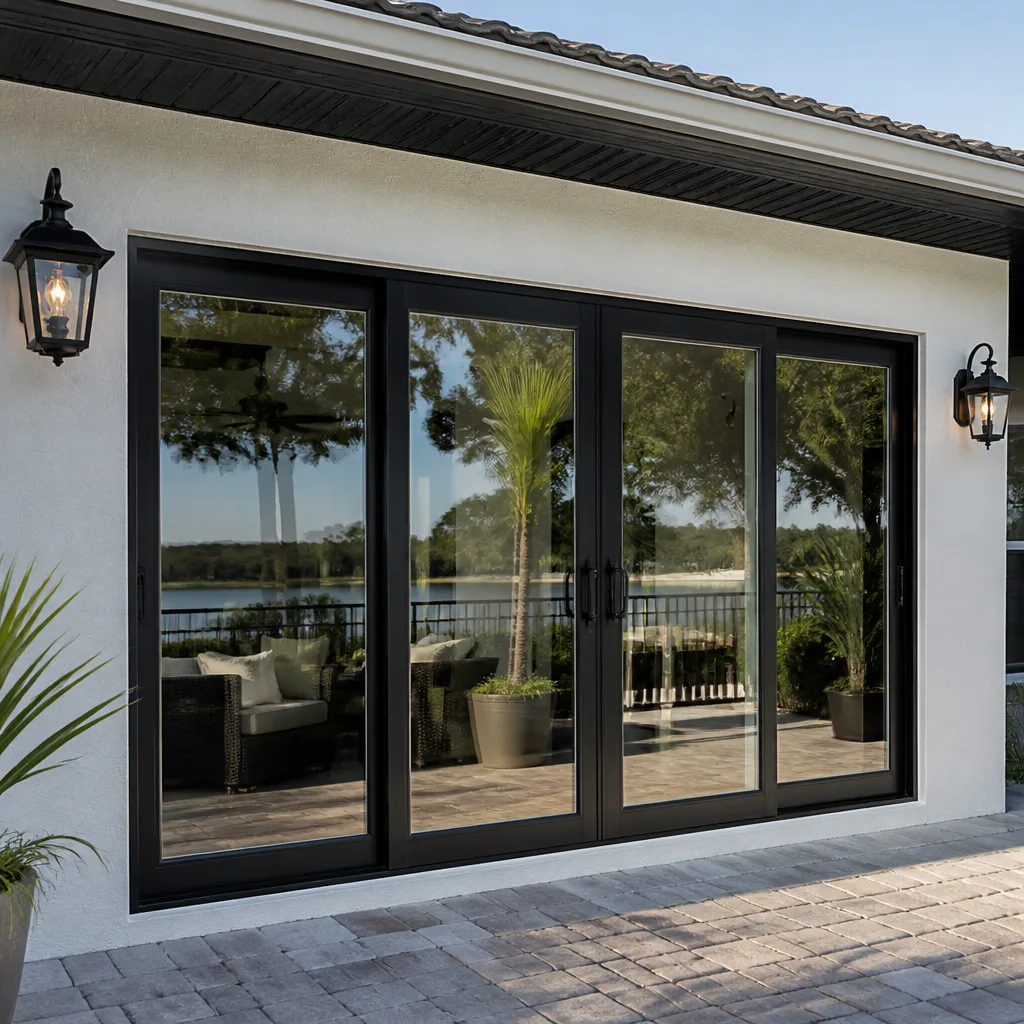
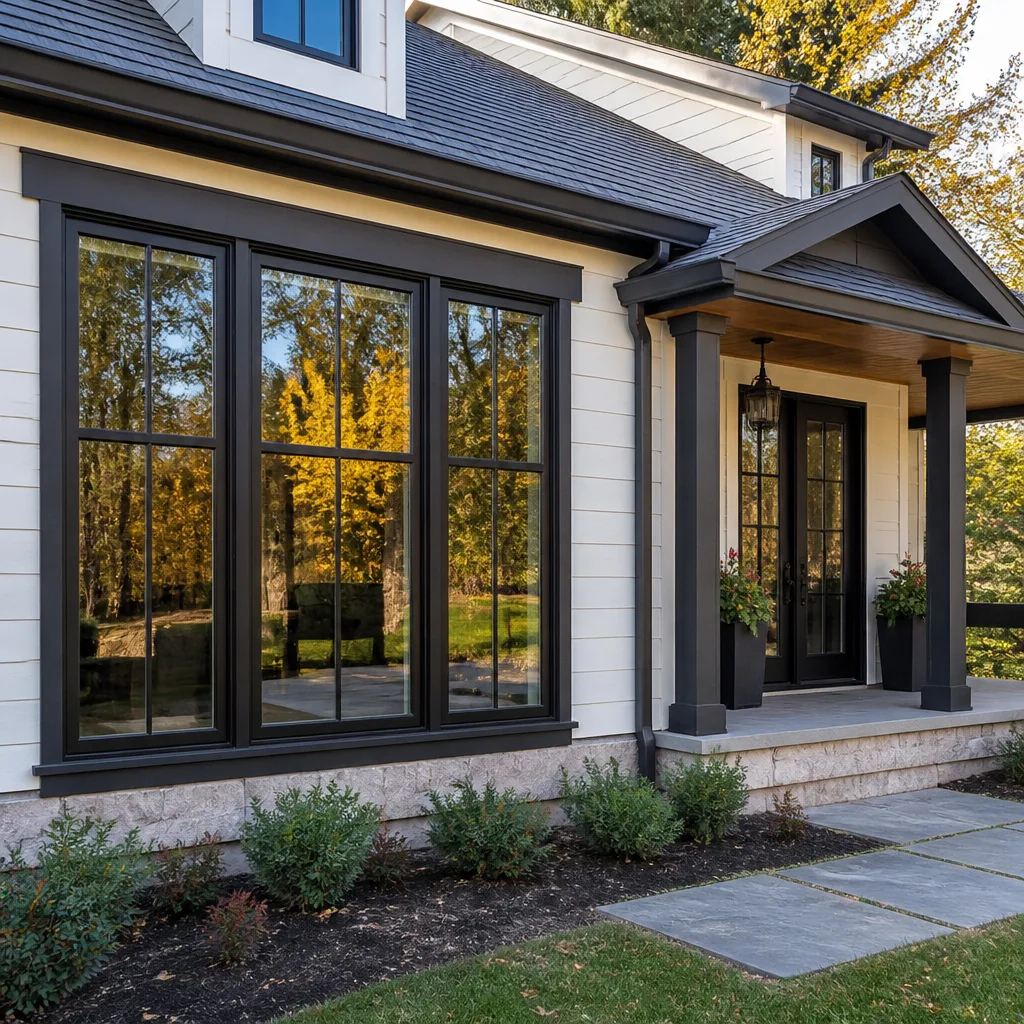
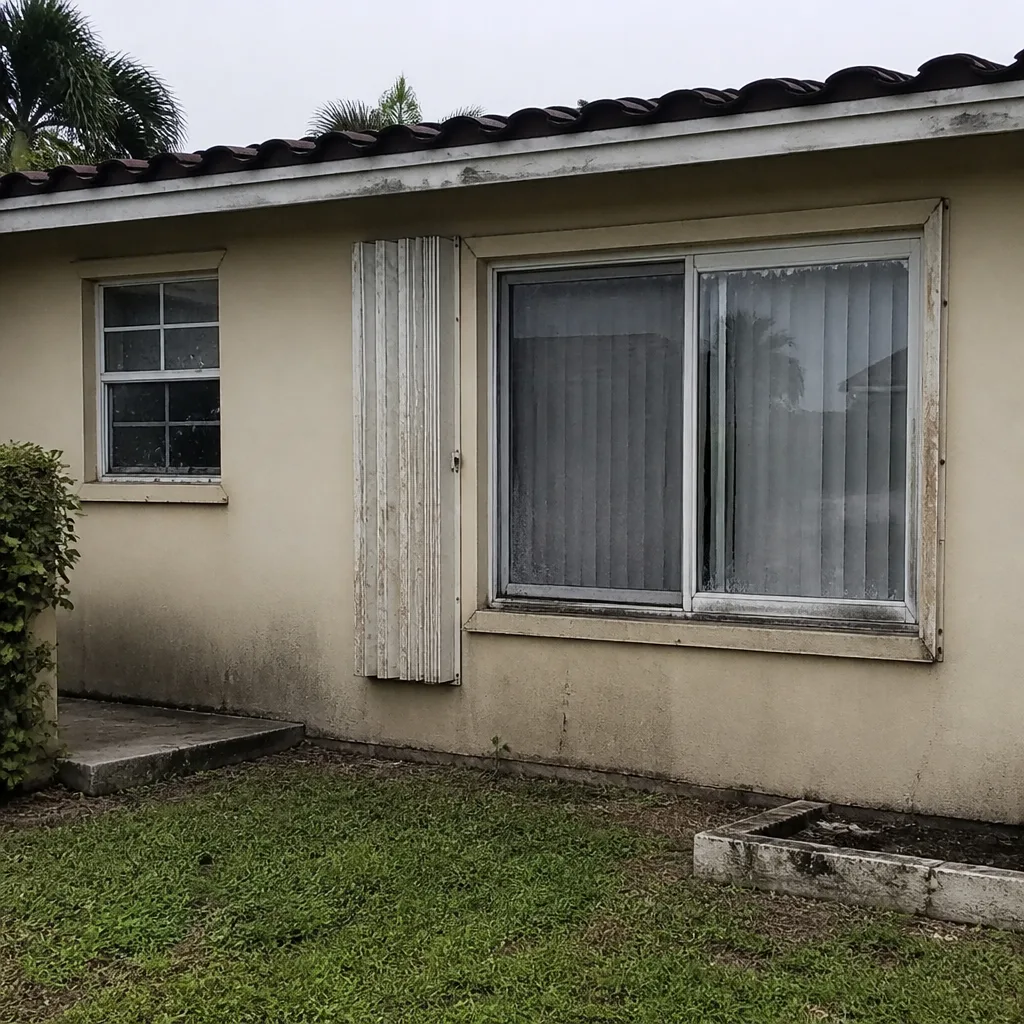 Before
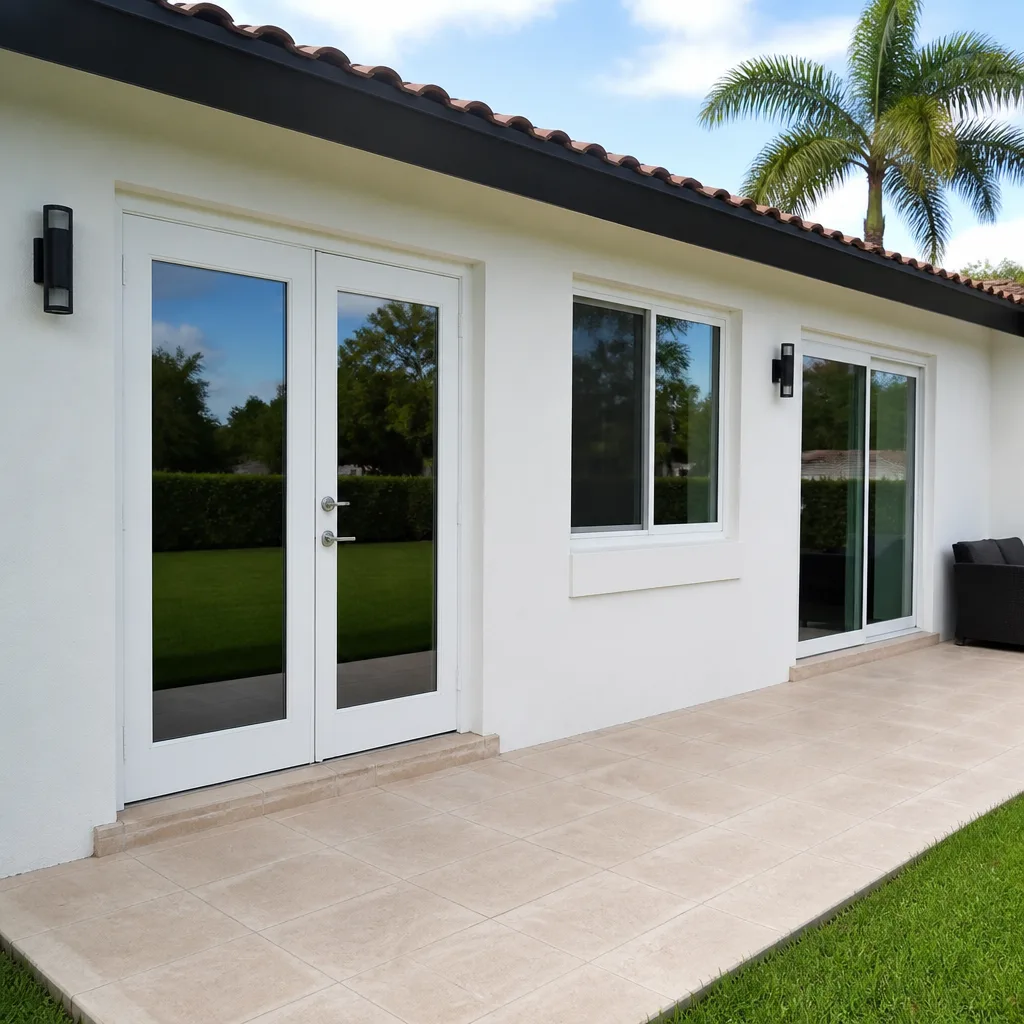 After
After Before
 After
After Before
 After
AfterDIY vs Professional Windows & Doors: The Miami Gardens Homeowner’s Decision Guide
Florida Statute 489.103 contains a homeowner exemption that lets you install your own windows. Few Miami Gardens residents know the exemption collapses if you sell the home within 12 months, exposing you to permit fraud liability. In a market where the median home turns over every 6.8 years and pre-sale renovations are routine, that clause turns a weekend project into a legal landmine. This guide explains exactly what Florida law permits, what Miami-Dade County requires, and when the cost of doing it yourself exceeds the price of hiring a licensed contractor from the start.
Quick Answer
In Miami Gardens, DIY window and door installation is legally permissible only for owner-occupants who do not sell within 12 months, and it cannot include impact-rated products in High-Velocity Hurricane Zones without a licensed contractor pulling the permit. For most homeowners, the realistic savings are $800-$1,400 on a standard vinyl window replacement, but the gap closes or reverses once permit fees, tool rental, and the cost of failed inspection remediation are included. Professional installation by a licensed contractor is required for HVHZ-rated products, warranty validation, and resale disclosure compliance; see our How to Hire a Windows & Doors Contractor in Miami Gardens: A Step-by-Step Guide for what to look for.
Table of Contents

- What Florida’s Homeowner Exemption Actually Permits
- Miami-Dade HVHZ Requirements: Where DIY Ends
- What You Can Legally Do Yourself vs. What Requires a License
- Honest Cost Comparison: DIY vs. Professional in Miami Gardens
- The Inspection Problem with DIY HVHZ Installation
- What Failed DIY Installation Costs to Fix
- Common Mistakes to Avoid
- When to Call a Professional
- Frequently Asked Questions
- The Bottom Line
 Before
 After
AfterWhat Florida’s Homeowner Exemption Actually Permits
Florida Statute 489.103(7) creates an exemption from contractor licensing for homeowners who perform construction work on their own property. The statute reads narrowly, and three conditions apply:
- The property must be a single-family residence or a duplex.
- The homeowner must personally perform the work or directly supervise it.
- The homeowner must personally occupy the residence and not offer it for sale within 12 months of completion.
That third condition is where most Miami Gardens homeowners stumble. In the 33054, 33055, 33056, and 33169 ZIP codes, pre-listing renovations are standard practice. A homeowner who installs windows in March and lists in January has voided the exemption. The statute does not contain a de minimis exception. The 12-month clock runs from the date of final inspection or, if no permit was pulled, from the date of substantial completion.
The exemption also does not relieve the homeowner from building code compliance. All work must meet the Florida Building Code, and in Miami-Dade County, that means the High-Velocity Hurricane Zone provisions of Chapter 16. The exemption is from licensing, not from standards.
We have reviewed permits in Miami Gardens where the homeowner pulled the permit under the exemption, sold the property at month 10, and the buyer’s title insurer flagged the permit as potentially fraudulent. The seller’s disclosure became a negotiation point. In one case in the Bunche Park area, the seller had to escrow $4,200 for reinspection and potential reinstallation.
The statute is found at Florida Statutes Section 489.103(7), and Miami-Dade County’s local amendment is in the Miami-Dade County Code, Section 8-11. The county’s amendment does not soften the 12-month occupancy requirement. It adds local enforcement mechanisms.
Miami-Dade HVHZ Requirements: Where DIY Ends
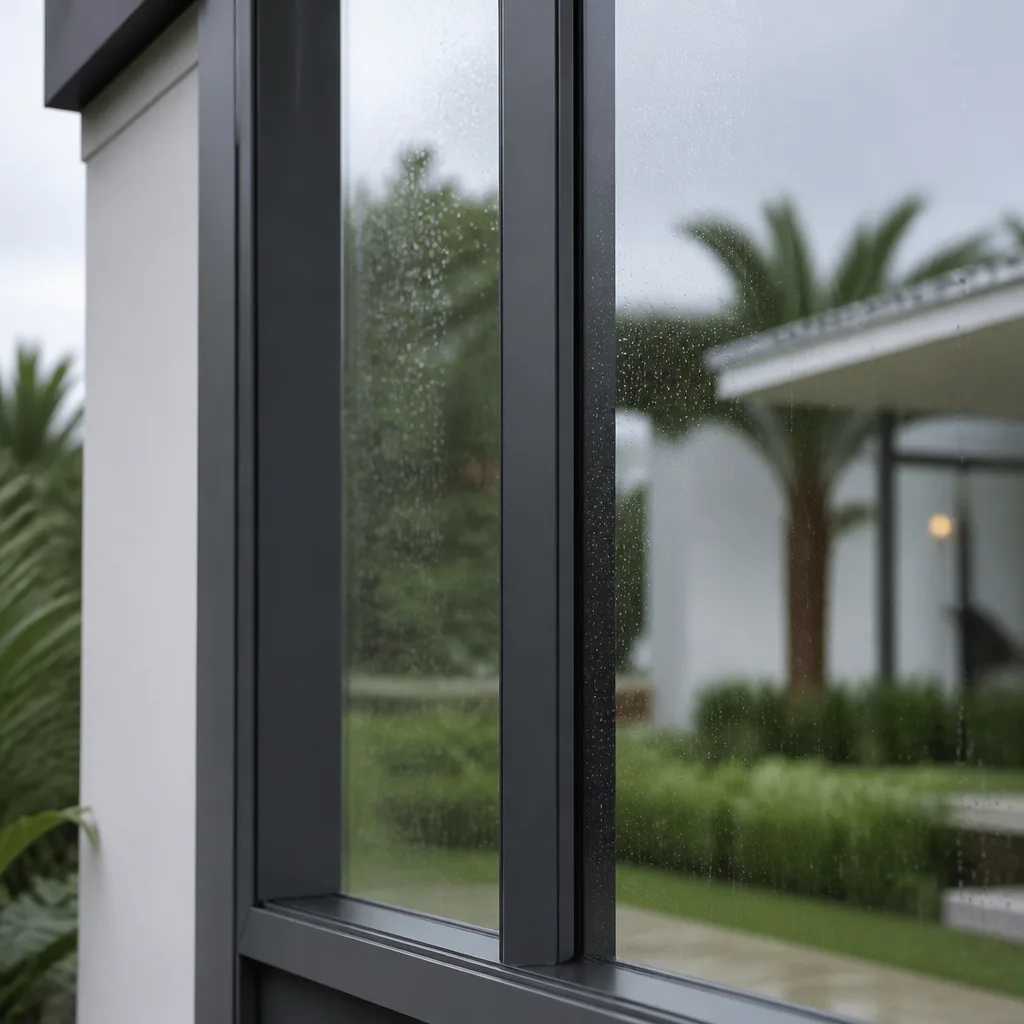
Miami Gardens sits entirely within Miami-Dade County’s High-Velocity Hurricane Zone. The HVHZ designation triggers product certification and installation requirements that make DIY installation of impact-rated windows and doors functionally impossible for most homeowners.
The HVHZ rules require:
- Products must bear a Miami-Dade County Notice of Acceptance (NOA) or Florida Product Approval.
- Installation must follow the manufacturer’s NOA exactly, including anchor type, spacing, and embedment depth.
- The permit application must list a licensed contractor’s license number in the “installer” field.
- Inspection requires the installer or a designated representative to be present.
The NOA documents are not written for lay readers. A typical NOA for a CWS impact window runs 40-60 pages and specifies:
- Anchor diameter and length to the nearest 1/8 inch.
- Minimum concrete compressive strength for embedment.
- Sealant bead width and depth at the frame perimeter.
- Fastener torque values and verification methods.
Deviation from any of these voids the product’s HVHZ certification for that installation. The window may be impact-rated in the factory, but if it is anchored with #8 screws where the NOA requires #10, the installation fails inspection. The homeowner must remove and reinstall, or the permit cannot be closed.
In Miami Gardens, the building department does not grant homeowner exemptions for HVHZ product installation. The permit system will not accept a blank license number. We have confirmed this with Miami-Dade County’s Permitting and Inspection Center for the North Dade region, which processes Miami Gardens permits.
For non-impact windows, the rules are less restrictive. A single-hung vinyl window without HVHZ rating can theoretically be installed by a homeowner under the exemption. But in Miami Gardens, any replacement window must meet the Florida Energy Conservation Code, which requires specific U-factor and SHGC values. The 2023 code requires a U-factor of 0.40 or lower and SHGC of 0.25 or lower for non-impact replacement windows. Product selection requires reading NFRC labels, not just showroom displays.
What You Can Legally Do Yourself vs. What Requires a License
The line between permissible DIY and licensed work is specific. Here is how it breaks down in Miami Gardens:
Tasks a Homeowner Can Perform Without a License
- Interior trim installation and replacement. Baseboard, casing, and stool around an existing window do not require a permit if the window itself is not disturbed.
- Hardware replacement. Locks, latches, and operators on existing windows and doors are maintenance, not construction.
- Screen replacement. Rescreening a window or patio door frame is exempt under Florida Building Code Section 105.2(3).
- Weatherstripping and caulking. Air sealing around existing units does not require a permit.
- Interior door slab replacement. Swapping a slab in an existing frame, without altering the frame or hardware location, is maintenance.
Tasks That Require a Licensed Contractor in Miami-Dade
- Window or door replacement in any exterior wall. This is structural work under the Florida Building Code and requires a permit.
- Installation of impact-rated windows or doors. HVHZ products require a licensed contractor’s license number on the permit.
- Enlargement or reduction of an opening. Cutting a larger rough opening requires structural analysis and a permit.
- Installation of new openings. Any new window or door in an existing wall is new construction, not replacement.
- Garage door replacement. Garage doors are regulated by wind-load requirements and require permit and inspection.
The distinction matters for warranty and insurance. A homeowner-installed window that leaks and causes interior damage may not be covered by the homeowner’s insurance policy if the installation was not permitted. We have seen denials in Miami Gardens where the insurer cited unpermitted work as the proximate cause.
Honest Cost Comparison: DIY vs. Professional in Miami Gardens
The advertised price gap between DIY and professional installation is often overstated. Here is the actual math for a typical Miami Gardens home, based on 2024 material and labor costs in the North Dade market.
Scenario: Replacement of 10 Standard Vinyl Single-Hung Windows (Non-Impact)
| Cost Component | DIY | Professional (Sightline Windows & Doors Miami Gardens) |
|---|---|---|
| Windows (mid-grade vinyl, NFRC certified) | $2,800-$3,600 | $2,800-$3,600 (product cost identical) |
| Permit fees (Miami-Dade County) | $485-$620 | $485-$620 (included in quoted price) |
| Tool rental or purchase | $340-$580 | $0 (contractor-owned) |
| Sealant, anchors, flashing tape | $180-$260 | $0 (included in labor) |
| Dumpster or debris disposal | $220-$340 | $0 (included) |
| Labor | $0 (your time, 40-60 hours) | $2,400-$3,200 |
| Total Project Cost | $4,025-$5,400 | $5,685-$7,420 |
The nominal DIY savings are $1,660-$2,020. But this assumes:
- First-attempt success with no rework.
- No damage to interior finishes during removal.
- Correct permit application and passing inspection on first call.
- No tool purchase that exceeds rental cost.
In our experience across 18,000+ openings, first-time DIY window installation in South Florida has a 30-40% rate of inspection failure on initial attempt, typically for:
- Improper flashing integration with existing weather barrier.
- Anchor spacing or embedment depth errors.
- Sealant discontinuity at frame corners.
- Failure to provide required product labels at inspection.
Each failed inspection requires a re-inspection fee of $95-$140 and typically 4-8 hours of corrective work. Two failed inspections erase most of the DIY savings.
For impact-rated products, the DIY path is effectively closed. The product cost for 10 impact single-hung windows from ES Windows or ECO Window Systems runs $5,500-$7,500. Professional installation adds $3,800-$5,200. There is no legitimate DIY savings because the permit cannot be obtained without a licensed contractor.
The Inspection Problem with DIY HVHZ Installation
Miami-Dade County’s building inspection system is structured around licensed accountability. The permit application for window or door replacement requires the contractor’s license number in field 14 of the standard application. The system validates this number against the Florida Department of Business and Professional Regulation database in real time. A blank or invalid entry rejects the application.
For homeowners attempting to use the statutory exemption, the practical barrier is not the statute itself but the inspection protocol. The county’s HVHZ inspection checklist includes:
- Verification of product NOA against installed unit labels.
- Visual confirmation of anchor type and spacing against NOA details.
- Sealant bead dimensional check at three points per frame leg.
- Flashing integration photo documentation.
- Installer license verification for permit closure.
Item 5 is the catch. The inspector does not verify the installer’s identity at the time of inspection. The permit is not closed until the licensed contractor signs the final affidavit. A homeowner who installs the work cannot sign that affidavit. The permit remains open, and an open permit blocks title transfer.
We have encountered this in Miami Gardens specifically. A homeowner in the Lakeview neighborhood installed impact windows in 2021, pulled a permit under the homeowner exemption, and attempted to sell in 2022. The title company flagged the open permit. The homeowner had to hire a licensed contractor to inspect the work, sign the affidavit, and close the permit. The contractor’s fee for this “takeover” permit was $1,850, plus $340 in re-inspection fees. The original DIY savings were gone, and the closing was delayed three weeks.
The Miami-Dade County Building Code Compliance Office confirms that HVHZ permits require a licensed contractor’s license number for final closure. This is not a discretionary policy. It is encoded in the county’s amended HVHZ administrative rules.
What Failed DIY Installation Costs to Fix
When DIY installation fails, the cost to remediate exceeds the original professional price. This is not theoretical. We have performed remediation work in Miami Gardens and can document the economics.
The typical failure modes and their remediation costs:
| Failure Mode | Remediation Required | Cost Range in Miami Gardens |
|---|---|---|
| Improperly anchored impact window (loose or under-embedded) | Full removal, wall repair, reinstallation with correct anchors | $680-$1,200 per opening |
| Sealant failure causing water intrusion | Window removal, substrate drying, mold remediation, reinstallation | $1,400-$3,200 per opening |
| Wrong product installed (non-HVHZ in HVHZ zone) | Complete replacement with certified product, new permit | Full replacement cost + 20% premium for removal |
| Opening out of square, frame racked | Reframing of rough opening, structural review | $890-$1,600 per opening |
| Failed inspection, permit open at sale | Licensed contractor takeover, re-inspection, permit closure | $1,500-$2,400 fixed fee |
These figures include the labor premium for remediation work. Contractors charge more to remove and reinstall a window than to install it correctly the first time. The removal risks damaging the frame, the wall finish, and the existing weather barrier. The contractor must warrant the final result without controlling the initial conditions.
In our records, the average remediation project in Miami Gardens costs 140-180% of the original professional installation quote. The homeowner pays for the DIY attempt, pays for the remediation, and still pays the professional price for the correct installation.
The window replacement process we follow at Sightline Windows & Doors Miami Gardens begins with a measured survey the customer keeps. The written quote cannot differ from that document. If we encounter conditions that change the scope, we document them with photos and issue a revised written quote before work proceeds. This is Haven Clause 1: Have it in writing. The customer knows the price before any tool is lifted, and the price does not change unless the documented scope changes.
Common Mistakes to Avoid
- Assuming the homeowner exemption covers all work. The exemption is narrow and voids itself on sale within 12 months. In Miami Gardens, where pre-sale renovation is common, this assumption creates statutory exposure.
- Buying windows from a big-box store without checking NOA status. Many vinyl windows sold in South Florida are not HVHZ-rated. The NFRC label does not mean the product is approved for Miami-Dade. Check the Miami-Dade County product database before purchase.
- Skipping the permit to save time. Unpermitted window replacement is a code violation that must be disclosed on sale. Miami-Dade’s online permit history is searchable by any buyer or title company.
- Using interior-grade sealant on exterior frames. South Florida’s UV exposure and salt air degrade interior silicone within 18-24 months. Only ASTM C920 Class 25 sealants are rated for exterior glazing in this climate.
- Ignoring the sill pan. Miami Gardens receives 61 inches of annual rainfall. A window without proper sill pan flashing will leak. The leak may not appear for 2-3 years, when the substrate is already damaged.
- Measuring the sash instead of the frame. Replacement windows are sized to the existing frame opening, not the visible glass. A 1/2-inch measurement error can require custom reorder or field modification.
- Disposing of old windows improperly. Miami-Dade County requires construction debris disposal at designated facilities. Citation for illegal dumping starts at $500.
When to Call a Professional
Call a licensed contractor when the project involves exterior walls, impact-rated products, permit requirements, or any plan to sell within 12 months. These are not markers of skill deficiency. They are legal and technical boundaries that DIY cannot cross in Miami-Dade County.
Specifically in Miami Gardens, professional installation is the only viable path for:
- Replacement of windows or doors installed before 2002, when the current HVHZ rules took full effect.
- Installation of products from manufacturers with Miami-Dade NOAs, including CWS, ES Windows, ECO Window Systems, and Mr-Glass.
- Projects requiring wind-borne debris protection for insurance discounts.
- Homes in the Andover, Bunche Park, or Lakeview neighborhoods with original 1960s-1970s construction, where rough openings are often out of square and require reframing.
Sightline Windows & Doors Miami Gardens offers free estimates in Miami Gardens. We will review your existing openings, measure with documented precision, and provide a written price before any work starts. Call (754) 354-6649 to schedule. We also provide free second opinions on any written estimate from another contractor. Bring us their quote and we will review it at no charge, line by line, against the product specifications and scope.
Frequently Asked Questions
Professional installation of standard vinyl replacement windows in Miami Gardens typically ranges from $550-$820 per opening, including product, permit, labor, and disposal. Impact-rated windows from manufacturers like ES Windows or ECO Window Systems range from $920-$1,450 per opening installed. The price varies by opening size, floor level, and wall condition. Call (754) 354-6649 for a written quote specific to your home. Estimates are free.
No, not legally. Miami-Dade County requires a licensed contractor’s license number on the permit application for all HVHZ-rated window and door installations. The permit cannot be closed without this number, and an open permit blocks home sale. The Florida homeowner exemption does not override Miami-Dade’s HVHZ administrative rules.
The Florida homeowner exemption voids, and the installation becomes unpermitted work performed by an unlicensed contractor. You must disclose this on the sale contract. The buyer may demand permit regularization, which requires hiring a licensed contractor to inspect and sign off on the work. This typically costs $1,500-$2,400 plus re-inspection fees.
Probably not, if the installation was unpermitted or failed to meet code. We have seen claim denials in Miami Gardens where the insurer cited unpermitted work as the cause of loss. The policy language typically excludes damage from work performed without required permits or by unlicensed contractors.
Check the Miami-Dade County Product Control Search database at miamidade.gov. Enter the manufacturer’s name and product model. The database returns the Notice of Acceptance number, expiration date, and applicable product categories. The physical window must bear a label matching the NOA. We verify this on every job before installation begins.
Every installation is covered by our 365-Day Done Right Promise, written into the Haven Standard since 2012. If it’s not done right, we make it right. This is not a verbal courtesy. It is a written warranty backed by documented photo evidence from every visit. We also leave you the measured survey, the written scope, and the photo record for your files.
The Bottom Line
The DIY vs. professional question in Miami Gardens is settled by law before it is settled by skill. Florida’s homeowner exemption exists but carries a 12-month occupancy lockup that conflicts with normal real estate timelines. Miami-Dade’s HVHZ rules require licensed contractor involvement for impact-rated products, which is most of the market. The realistic savings on non-impact DIY installation are $800-$1,400 for a typical project, but inspection failure, remediation, and permit complications erase that gap in roughly one-third of cases. For impact-rated products, the DIY path is legally closed. The decision is not whether to hire a professional, but which professional to hire. For additional guidance, explore more guides & resources on our blog. Evidence, written pricing, and documented accountability are the criteria that matter.
Written by Sonia Raman, Owner at Sightline Windows & Doors Miami Gardens, serving Miami Gardens since 2012.